
UCF Researchers Breakthrough: New Tools to Find Habitable Planets Beyond Earth
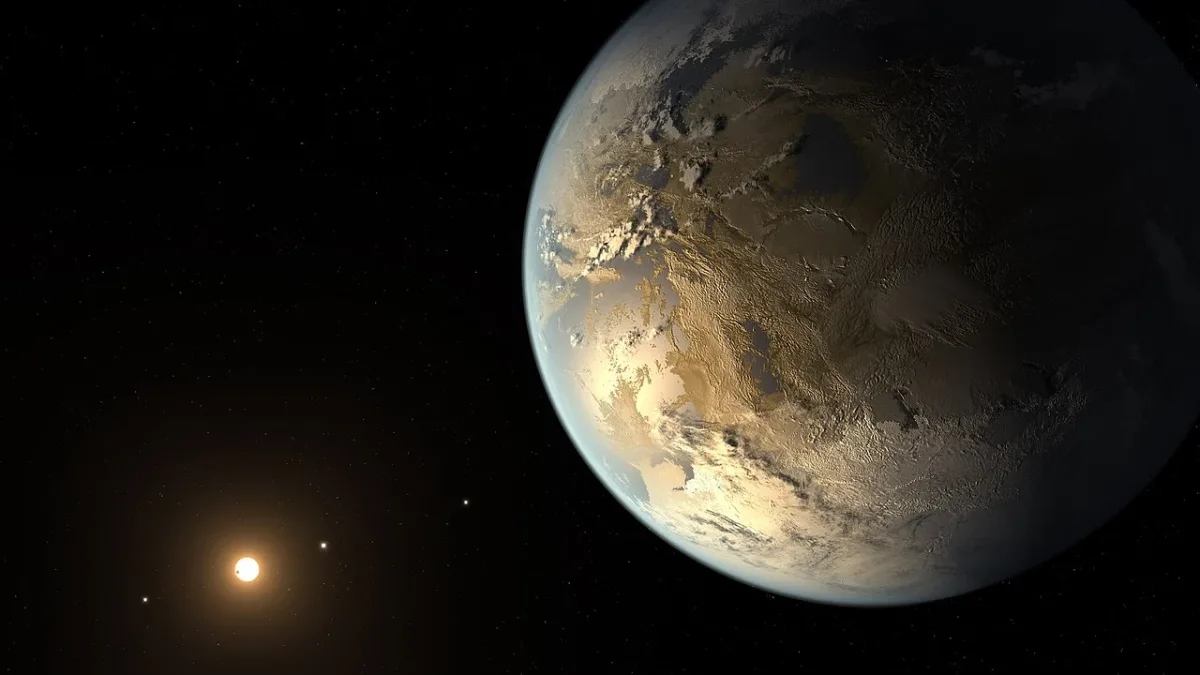
Stars are often 10 billion times brighter than the small, rocky planets that orbit them? This massive difference in brightness makes it almost impossible for current telescopes to see Earth like worlds. Researchers at the University of Central Florida are now building new tools to fix this problem. They want to make sure we can finally see these distant homes clearly.
The team at UCF is working on a project called the Photonics Enabled Exoplanet Spectroscopic System - this three year effort involves experts from multiple universities and the Space Telescope Science Institute. You can think of them as the team making the glasses that will let us see across the galaxy. They focus on how light moves through a telescope to stop errors before they ruin a picture.
The Goal of the Habitable Worlds Observatory
NASA is planning a massive mission for the 2040s called the Habitable Worlds Observatory - this telescope is the first of its kind because it is built specifically to find planets that are similar to Earth. It looks for worlds that stay in the habitable zone, which is the area around a star where water can stay liquid on the surface.
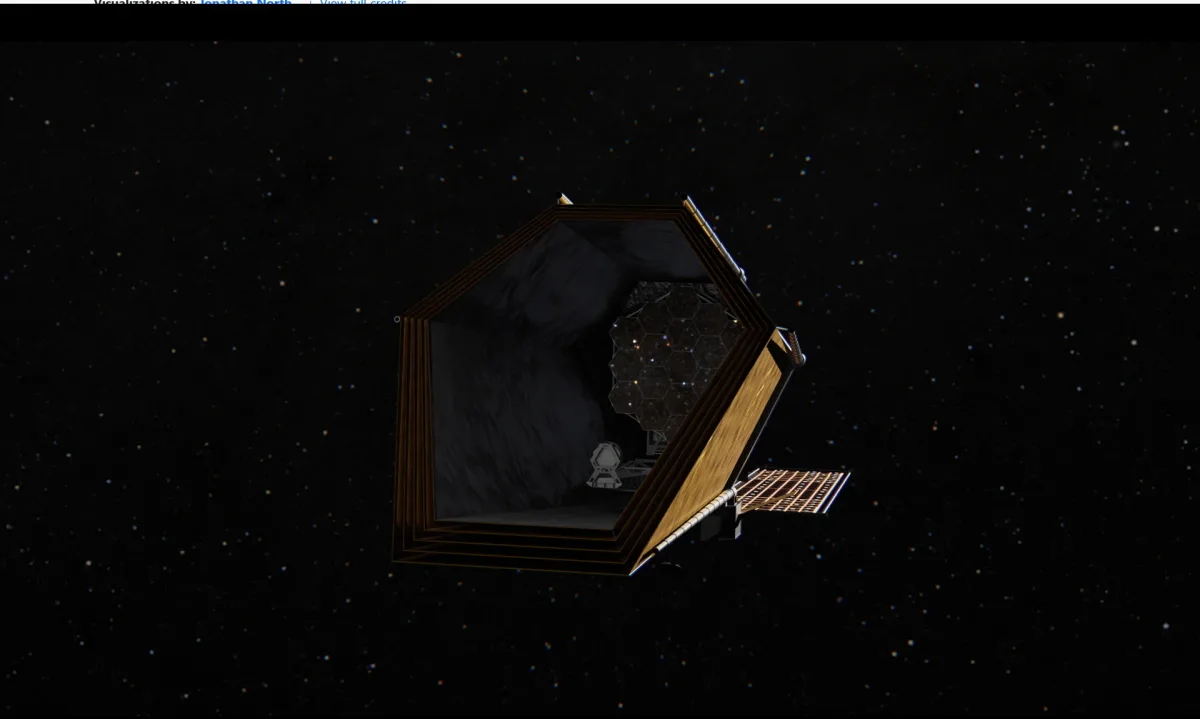
The observatory is a very large machine that looks at infrared, optical and ultraviolet light. It is not just looking for dots in the sky - it is trying to study the air around those planets. If we can see the gases in a planet's atmosphere, we can tell if life might live there - this mission is the next big step in understanding our place in the universe.
The Struggle to See Dim Planets
You might think a telescope just needs a bigger lens to see better but the real issue is glare. When a planet is very close to its star, the starlight washes everything else out - this is like trying to see a tiny firefly sitting right next to a giant, bright searchlight from miles away. Even a tiny bit of leaked light can hide the signal of a planet.
To solve this, astronomers use a tool called a coronagraph - this device acts like a shield to block the direct light from a star. Telescopes are not perfect machines. Tiny bumps or shifts in the mirrors can cause light to scatter where it should not go - these small mistakes, called optical aberrations, are what the UCF team is working to fix.
Current challenges in planet hunting
- Host stars are billions of times brighter than rocky planets.
- Microscopic flaws in telescope mirrors scatter unwanted light.
- Atmospheric signals are very weak and easy to lose.;
How Photonic Lanterns Save the Image
The UCF team uses a new technology called a photonic lantern to solve the light problem - this device takes the messy light entering the telescope and splits it into different paths. Instead of just seeing a flat image, the lantern lets researchers see the phase and brightness of the light waves - this gives them much more information than a normal camera ever could.
Because the photonic lantern sits exactly where the image forms, it catches errors that other sensors miss. It allows the telescope to clean its own "vision" in real time. By knowing exactly how the light is distorted, the system can correct the image so the dim planet appears clearly. It is a way to recover data that used to be thrown away by older systems.
The Future of Space Exploration
This project uses a method called quantum inspired imaging to make pictures sharper. By studying how light behaves at a very small level, the researchers can filter out the remaining starlight - this technology is already being tested on telescopes in Hawaii to see how well it works in the real world. If it succeeds, it will change how we look at the night sky forever.
We are very close to knowing if we are alone in the universe. If these tools work on the Habitable Worlds Observatory, we will be able to identify planets where life could survive. You might live to see the day when we find another Earth. As the researchers say, we are only one big mission away from knowing the truth.
FAQ
What is a habitable zone?
The habitable zone is the region around a star where the temperature is just right for liquid water to exist on a planet's surface. It is often called the "Goldilocks" zone because it is not too hot and not too cold.
What does a coronagraph do?
A coronagraph is a special attachment for a telescope that blocks out the direct light from a star - this allows the much dimmer light from nearby planets to become visible to the telescope's sensors.
Why is the UCF research important?
UCF researchers are creating the technology that prevents light from leaking into telescope images. Their work ensures that the next generation of space telescopes can see small, rocky planets without being blinded by bright stars.
References
- UCF Researchers Advance Tech That Could Help Scientists Detect Habitable Worlds Beyond Our Solar System - UCF News, July 17, 2026
- UCF Researchers Are Developing Tools to Help Find Habitable Planets - Universe Today, July 26, 2026
- NASA Habitable Worlds Observatory - NASA Science, 2026
- Exoplanets and Brown Dwarfs - UCF Planetary Sciences Group - UCF Planetary Sciences
- Photonic-Enabled Exoplanet Spectroscopic System (PEEPSS) - Research Paper, 2026