
The Mars Sample Return Cleanroom: Biohazard Level 4 Rules
Bringing samples from Mars to Earth is not simply a space exploration achievement. It also presents an important scientific responsibility: protecting Earth's environment from any potentially harmful material that might exist in Martian soil and rocks. NASA's proposed Mars Sample Return programme included plans for a specialised Sample Receiving Facility (SRF) with containment capabilities equivalent to Biosafety Level 4 (BSL-4). The facility would protect Earth from possible biological contamination while ensuring that scientists could study the samples without contaminating them with material from Earth. However, the programme's status has changed significantly in 2026, and the proposed receiving facility should not be confused with an already operational laboratory.
Introduction
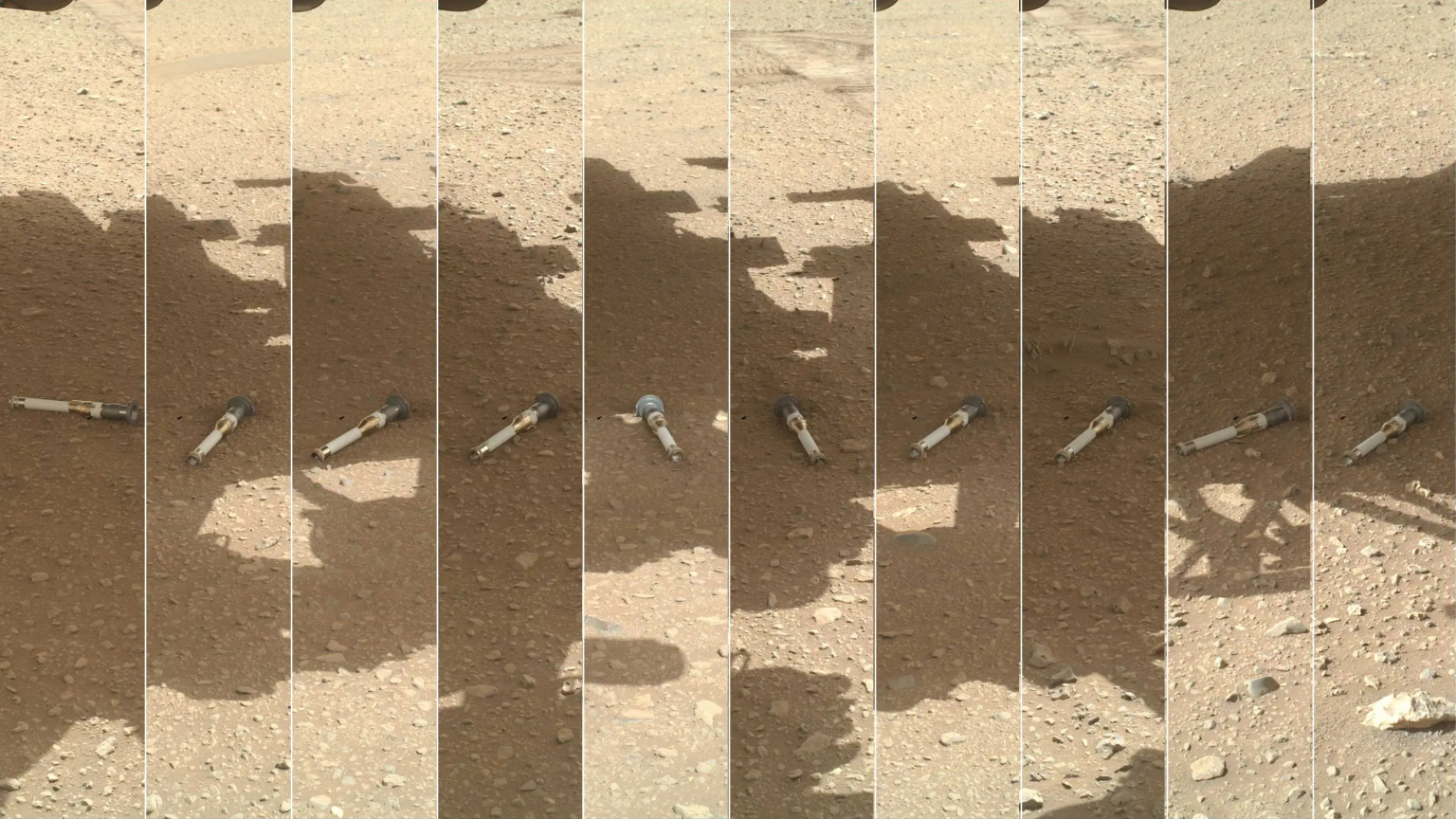
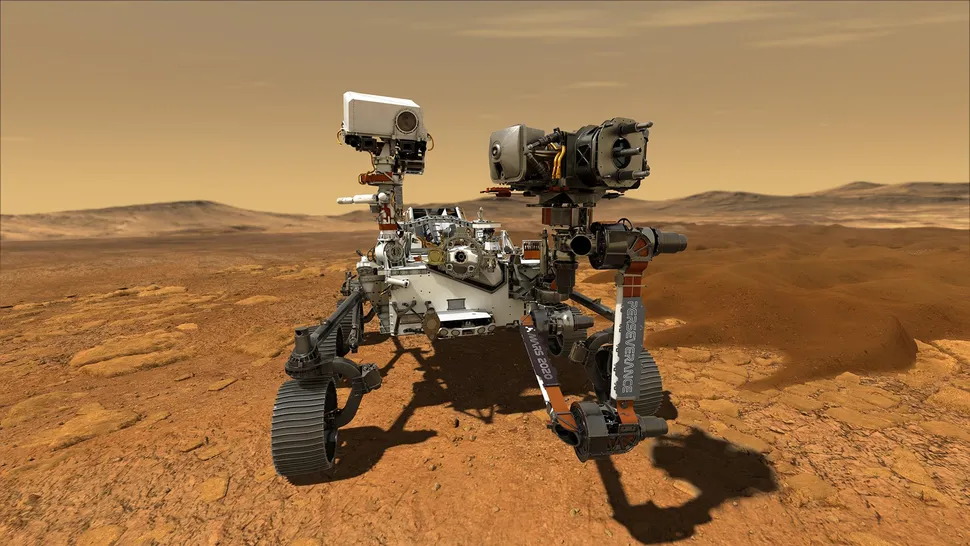
Scientists have spent decades studying Mars, trying to understand its history, geology and possibility of supporting life. NASA's Perseverance rover has been collecting rock and soil samples in Jezero Crater, an ancient location believed to have contained a lake and river system.
These samples are scientifically important because they could contain evidence of ancient environmental conditions and possibly signs of past microbial life.
However, bringing material from another planet into Earth's environment creates a responsibility that scientists cannot ignore.
What if the samples contain something that has never been encountered on Earth? Although scientists have not discovered Martian life, they cannot automatically assume that every returned sample is harmless.
This is why NASA developed strict planetary protection requirements and plans for a specialised receiving facility with extremely high containment standards.
What Is the Mars Sample Return Cleanroom?
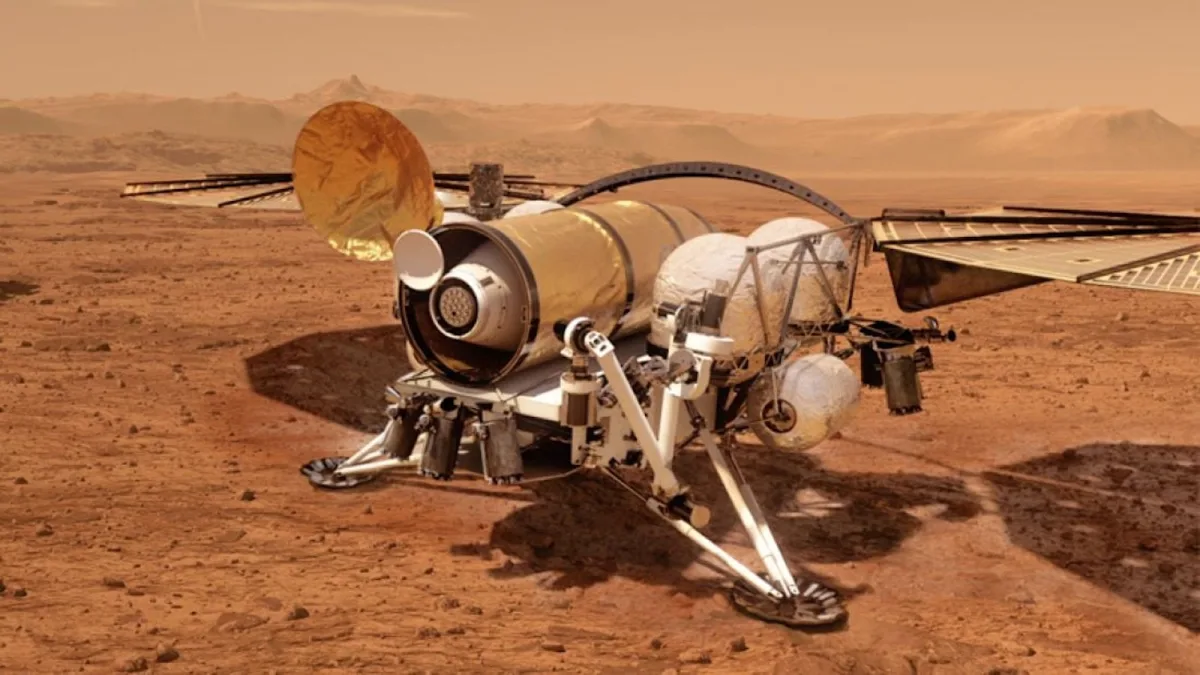
The Mars Sample Return cleanroom refers to the proposed controlled environment where samples collected by robotic missions would eventually be received, examined and stored after returning to Earth.
NASA and the European Space Agency originally planned to bring selected Martian samples back for detailed examination using advanced scientific equipment that cannot easily be transported to another planet.
The proposed Sample Receiving Facility would have two major responsibilities:
-
Protect Earth from any potentially harmful biological material in the samples.
-
Protect the scientific value of the Martian material from contamination by Earth's microorganisms and environmental substances.
This second responsibility is particularly important. If Earth-based microorganisms or chemicals entered the samples, scientists could struggle to determine whether certain discoveries genuinely originated on Mars.
A NASA technical assessment described the proposed facility as requiring high-containment capabilities equivalent to Biosafety Level 4.
Why Does Mars Require Biohazard Level 4 Containment?
Biosafety Level 4 is the highest commonly recognised laboratory biosafety containment level. It is designed for research involving certain dangerous biological agents that require exceptionally strict protection.
However, there is an important distinction: scientists have not confirmed that Mars contains dangerous microorganisms.
The proposed BSL-4-equivalent containment is a precautionary planetary protection measure, not evidence that NASA has discovered a Martian disease or infectious organism.
NASA classifies the return of material from Mars as Category V: Restricted Earth Return under its planetary protection framework.
This classification means that unsterilised samples must remain contained until scientists have completed appropriate safety assessments or an approved sterilisation process has been applied.
The purpose is to protect Earth's biosphere while allowing scientists to investigate the samples responsibly.
The Main Biohazard Level 4 Rules
The proposed Mars Sample Receiving Facility would have to meet demanding containment and scientific cleanliness requirements. These are some of the major principles behind its planned operation.
1. Keep Martian Samples Completely Contained
One of the most important requirements is preventing uncontrolled exposure of returned Martian material to Earth's environment.
NASA's planetary protection requirements state that samples must be contained before the spacecraft leaves Mars. That containment must remain effective throughout the journey back to Earth and until the material is transferred into an appropriate receiving facility.
The containment system must also have redundant protection and a way to verify that it remains secure.
This is important because scientists cannot establish whether the samples are biologically harmless simply by looking at them.
2. Maintain a Controlled Cleanroom Environment
The facility must protect the Martian samples from contamination originating on Earth.
Ordinary dust, microorganisms and chemical substances could interfere with scientific investigations. For example, detecting an organic compound in a sample would be less meaningful if scientists could not rule out contamination during handling.
NASA already applies strict cleanroom requirements when assembling spacecraft. These include controlled airflow, particulate management and protective clothing requirements.
A Mars sample receiving facility would need to combine this type of scientific cleanliness with much stronger biological containment.
3. Conduct Biological Safety Assessments
Before samples could be released to ordinary scientific laboratories, specialists would need to assess whether they presented a biological hazard.
NASA's planetary protection requirements call for a comprehensive programme of life-detection and biohazard testing.
The scientific investigation would look for evidence of biological activity and assess whether the material could pose a risk to Earth's environment.
The results would help determine whether the samples could be released, required further containment or needed an approved sterilisation process.
4. Protect Scientific Evidence From Earth Contamination
Containment is not only about protecting humans and the environment. It also protects the scientific value of the samples.
Scientists want to investigate the original chemical and geological composition of Martian material.
If Earth-based substances entered the samples, researchers might mistakenly attribute them to Mars.
For this reason, NASA's planetary protection policy addresses both forward contamination (Earth material reaching another world) and backward contamination (extraterrestrial material affecting Earth's environment).
The two responsibilities are closely connected throughout the mission.
5. Require Scientific Approval Before Release
The samples would not automatically become available to researchers immediately after landing.
NASA's requirements include a sample safety assessment and documentation demonstrating that the necessary planetary protection procedures have been followed.
A multidisciplinary scientific team would be responsible for evaluating the evidence before controlled distribution or full release could be approved.
An independent science and technical advisory committee is also included in NASA's requirements for oversight of returned Martian material.
How the Proposed Facility Would Differ From an Ordinary Laboratory
A conventional scientific laboratory may have excellent equipment for studying rocks, soil and microorganisms. However, the proposed Mars receiving facility would need to combine two different priorities: protecting the environment from possible biological hazards and protecting extraterrestrial samples from contamination.
|
Feature |
Ordinary scientific laboratory |
Proposed Mars receiving facility |
|---|---|---|
|
Sample protection |
Depends on research requirements |
Strict planetary protection requirements |
|
Biological containment |
Depends on laboratory classification |
BSL-4-equivalent containment capability |
|
Contamination control |
Standard laboratory controls |
Special protection against Earth-based contamination |
|
Sample release |
According to normal laboratory procedures |
Subject to safety assessment and approval |
|
Main responsibility |
Scientific research |
Scientific research and planetary protection |
The proposed facility would therefore represent a specialised combination of cleanroom science and biological containment.
What Happens If Scientists Discover Possible Martian Life?
One of the biggest scientific questions surrounding Mars Sample Return is what would happen if researchers discovered evidence of biological activity.
At present, there is no confirmed discovery of living organisms in the samples collected by Perseverance.
However, NASA's planetary protection framework already considers the possibility that returned material could contain evidence of extraterrestrial life.
If testing identified a potentially replicating non-terrestrial organism, the material would remain contained unless an effective, approved sterilisation procedure made it safe.
Such a discovery would be scientifically extraordinary because it could change our understanding of life beyond Earth.
It would also require careful scientific assessment before any material could be distributed outside the containment system.
The Current Status of Mars Sample Return in 2026
There is an important development that readers should understand.
NASA's original Mars Sample Return programme has experienced major financial and technical difficulties. In January 2025, the agency announced that it was examining two possible landing approaches to make the mission more affordable and achievable.
However, the situation changed in 2026.
According to the US Government Accountability Office's 2026 assessment, NASA's programme had entered closeout activities following the proposed cancellation in the fiscal year 2026 budget request. In September 2025, NASA had directed the programme to reduce its scope and concentrate on selected technologies and systems. By April 2026, the programme had completed a preliminary design review for its descent system and begun reducing staff.
NASA's current mission page also describes Mars Sample Return as a proposed campaign rather than an active sample-return mission.
This means the BSL-4-equivalent receiving facility remains part of the previously developed sample-return planning and technical requirements. It should not be described as an operational laboratory already receiving Martian samples.
Why the Mars Sample Receiving Facility Matters
The proposed facility represents an important part of responsible space exploration.
Returning samples from Mars could help scientists investigate whether the planet once supported microbial life, understand its ancient climate and compare its geological history with Earth's.
However, scientific discovery must not come at the expense of environmental safety.
The containment requirements demonstrate that planetary exploration involves responsibilities beyond reaching another world. Scientists must also consider what happens when material from that world arrives on Earth.
Even though the future of NASA's original Mars Sample Return programme remains uncertain, the scientific and planetary protection principles developed for the project will remain important for future sample-return missions.
References
The following sources provide the scientific background, official requirements and programme updates used in this article.
-
NASA – Planetary Protection: NASA's planetary protection policies and requirements.
-
NASA – Planetary Protection Requirements: NPR 8020.12C: Planetary Protection Provisions.
-
NASA Technical Reports Server – Sample Receiving Facility Assessment: Mars Sample Return Sample Receiving Facility Assessment Study.
-
Astrobiology Journal – Mars Sample Receiving Facility: Preliminary Planning for Mars Sample Return Curation Activities.
-
NASA – Planetary Protection Policy: NID 8020.109A.
-
U.S. Government Accountability Office – 2026 NASA Major Projects Assessment: GAO-26-108556.
-
NASA – Mars Sample Return Mission: Official mission overview.
-
NASA – January 2025 Mission Update: NASA to Explore Two Landing Options for Returning Samples from Mars.