

Opportunities of Swot Analysis
SWOT analysis transforms abstract business challenges into actionable opportunities by systematically scanning external environments and aligning them with internal capabilities. By focusing on opportunities—such as emerging trends, technological advancements, or regulatory shifts—organizations can proactively develop strategies that drive sustainable growth, outpace competitors, and turn potential threats into advantages. This framework turns uncertainty into a roadmap for innovation and market leadership.
Summary
- Systematic Opportunity Identification: Structured scanning of external factors (market trends, tech shifts, regulatory changes).
- Competitive Advantage: use untapped market gaps left by competitors.
- Innovation Catalyst: Spot trends to develop new products/services.
- Risk Mitigation: Align opportunities with strengths to avoid overextension.
- Resource Optimization: Prioritize high-ROI opportunities using data-driven insights.
- Strategic Alignment: Ensure opportunities match organizational goals and capabilities.
- Real-World Application: Case studies like Netflix’s streaming pivot and Tesla’s EV dominance.
- Tools & Templates: Accessible frameworks for SMEs and enterprises.
- Avoiding Pitfalls: Distinguishing fleeting fads from sustainable opportunities.
- Long-Term Planning: Continuous SWOT cycles for agile adaptation.
Introduction to SWOT Analysis
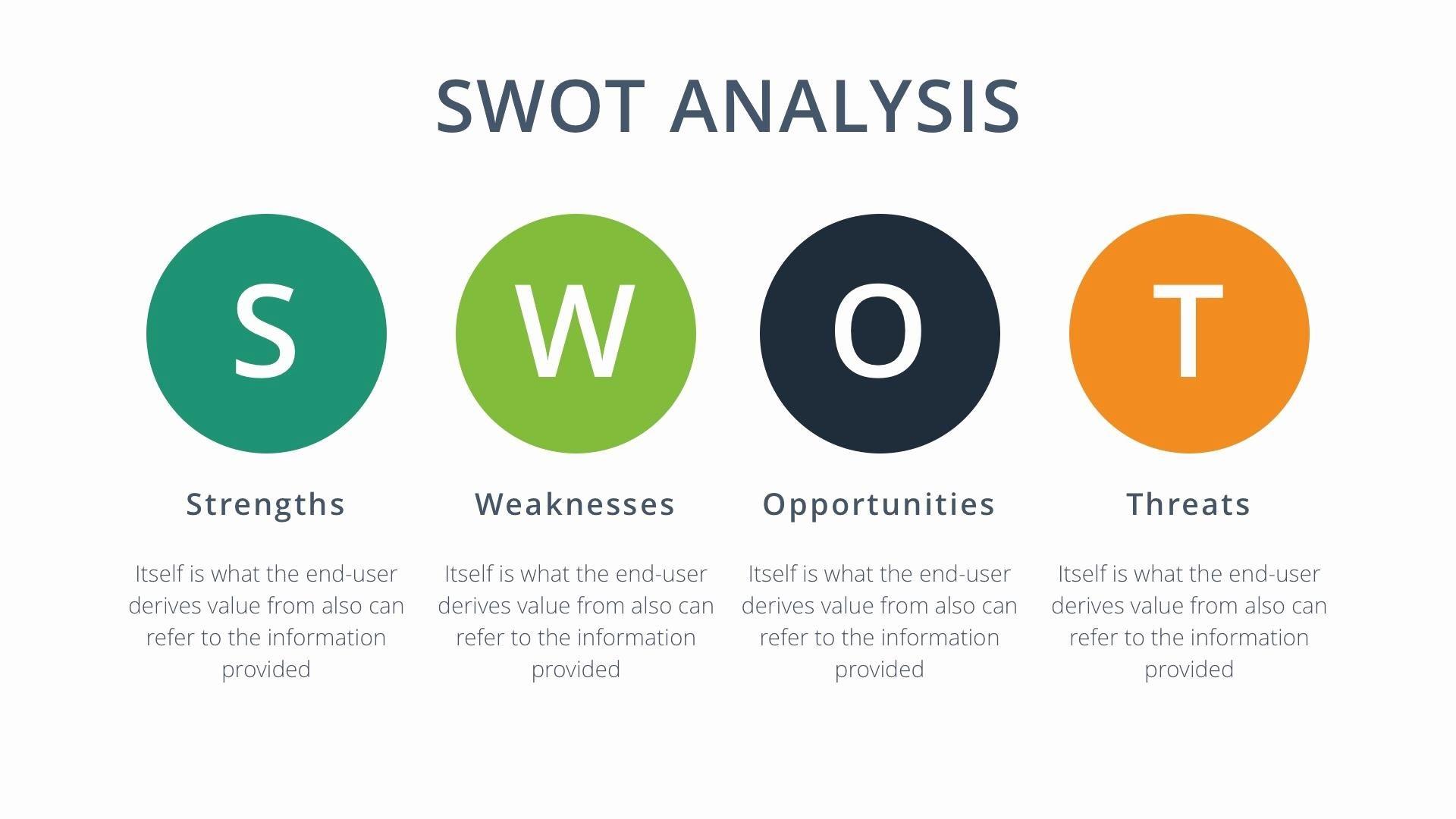
SWOT analysis evaluates Strengths (internal advantages), Weaknesses (internal limitations), Opportunities (external favorable factors), and Threats (external risks). While Strengths and Weaknesses are internal, Opportunities and Threats stem from the external environment—market dynamics, technology, regulations, or socio-economic shifts. Focusing on Opportunities is crucial because they represent untapped potential for growth, innovation, and competitive differentiation. By identifying and acting on these external openings, businesses can pivot strategically, enter new markets, or disrupt industries. For example, during the COVID-19 pandemic, companies like Zoom leveraged the "opportunity" of remote work to scale exponentially.
What Are Opportunities in SWOT?
Opportunities are external factors that could positively impact your organization if acted upon. They include:
- Market Trends: Rising demand for sustainable products (e.g., electric vehicles).
- Tech Advancements: AI enabling personalized customer experiences.
- Regulatory Changes: Tax incentives for renewable energy projects.
- Competitor Weaknesses: Poor customer service in an industry.
- Emerging Needs: Post-pandemic demand for mental health apps.
Unlike threats (e.g., new competitors), opportunities are actionable pathways to growth. The key is distinguishing between short-term fads (e.g., fleeting viral trends) and sustainable shifts (e.g., remote work normalization).
Identifying Opportunities: Key Sources
Opportunities lurk in external environments. Here’s how to find them:
Aligning Opportunities with Strengths
Opportunities are only valuable when paired with internal strengths. For instance:
- Example 1: A company with strong R&D (strength) can capitalize on AI advancements (opportunity) to develop smart products.
- Example 2: A retailer with efficient logistics (strength) might use e-commerce growth (opportunity) to expand delivery services.
Table: Opportunity-Strength Alignment Framework
Misalignment wastes resources—e.g., a cash-strapped startup pursuing luxury market opportunities without brand credibility.
Developing Strategies from Opportunities
Once opportunities are identified, translate them into actionable plans:
- Prioritize: Use a feasibility-impact matrix to rank opportunities (e.g., high-impact, low-barrier first).
- Set Goals: Define measurable outcomes (e.g., "Capture 15% of the EV market in 3 years").
- Allocate Resources: Budget for R&D, marketing, or talent acquisition.
- Monitor: Track KPIs (e.g., market share, customer acquisition cost).
Case Study: Tesla spotted the opportunity for electric vehicles (EVs) and leveraged its battery technology strength to dominate the market, turning regulatory emissions standards into a growth engine.
Common Mistakes in Opportunity Analysis
- Overlooking Hidden Opportunities: Ignoring niche markets (e.g., disability tech).
- Ignoring Internal Fit: Pursuing opportunities without resources (e.g., a small brand targeting global expansion).
- Short-Term Bias: Chasing viral trends instead of sustainable shifts.
- Data Gaps: Relying on assumptions instead of market research.
Tools & Resources
- Templates: Free SWOT analysis templates from MindTools.
- Software: SWOT-specific tools like SWOT Analysis Pro or Lucidchart.
- Data Sources: Industry reports (Statista), competitor analysis (SEMrush), and trend forecasts (Gartner).
Conclusion: The Power of Opportunity Focus
SWOT analysis isn’t just a planning exercise—it’s a growth engine. By systematically identifying opportunities and aligning them with strengths, businesses can navigate uncertainty, innovate proactively, and secure long-term success. Regular SWOT cycles ensure you stay ahead of market shifts, turning potential threats into strategic advantages.