
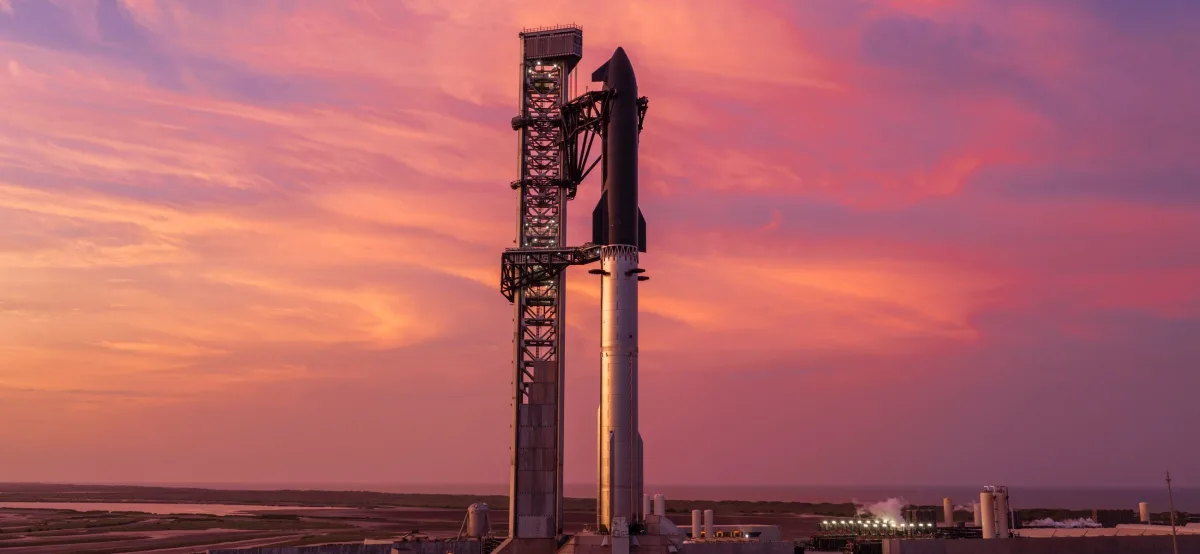
SpaceX Starlink V3 Satellite Deployment: Fleet Impact
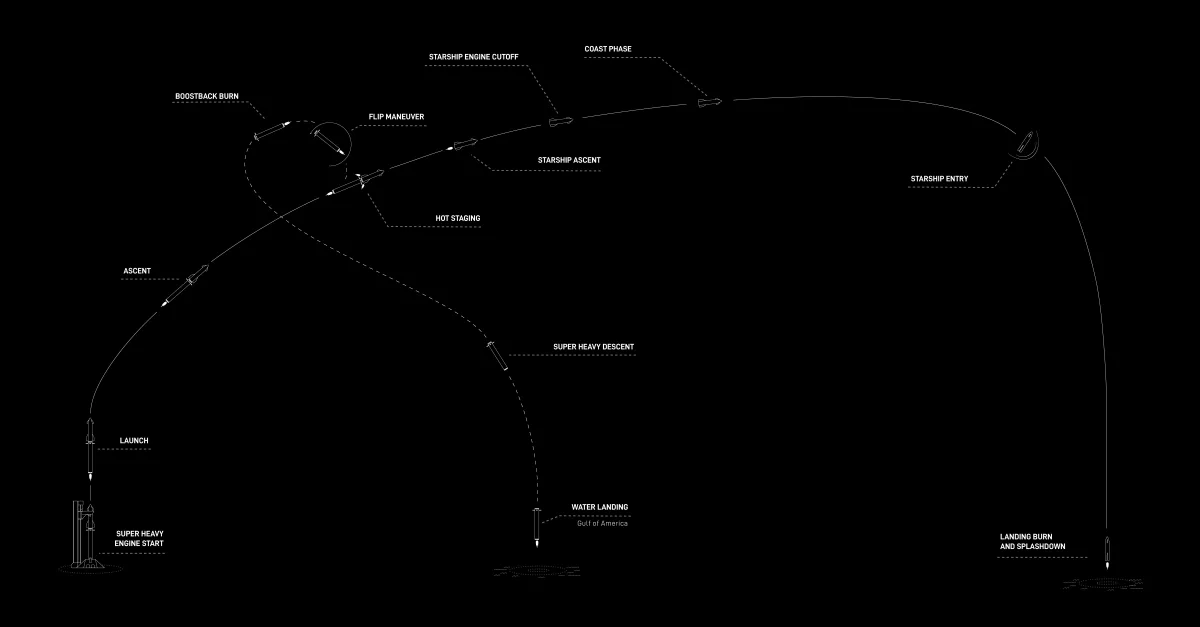
A single rocket launch might soon provide more internet capacity than hundreds of previous missions combined. SpaceX recently reached a significant milestone - deploying the first batch of Starlink V3 satellites during the thirteenth flight of the Starship vehicle - this mission released 20 production grade units into space to test how they function before they returned to the atmosphere and burned up twenty minutes later.
You are witnessing a shift in how engineers build orbital networks - these new satellites are much larger and more powerful than the older versions you might see in the night sky. While the first 20 units were part of a short lived test, they proved that the hardware is ready for permanent roles in the constellation - this successful demonstration confirms that the next era of high speed space internet is technically possible right now.
A Massive Leap for Satellite Technology
The V3 platform represents a fundamental change in satellite design. Compared to the V2 Mini units that Falcon 9 rockets currently carry, the V3 is specifically built to fit the massive cargo hold of the Starship - this design choice allows engineers to pack more electronic components and larger antennas into every single chassis. You can think of it as upgrading from a small van to a heavy duty freight truck for data transmission.
SpaceX focused this specific flight on checking if the deployment mechanisms work in zero gravity. The satellites successfully moved away from the Starship and unfolded their arrays as planned - this test is vital because any mechanical failure in space is impossible to fix once the rocket leaves the launch pad. Because the satellites communicated effectively during their short flight, the team knows the core electronics are stable.
Unprecedented Speed & Network Capacity
The most impressive part of the V3 hardware is the sheer volume of data it handles. Each individual V3 satellite targets a downlink speed of approximately 1 Terabit per second (Tbps). When you compare this to earlier models, the jump in performance is staggering - this increase ensures that more users can browse, stream and work simultaneously without the network slowing down during busy evening hours.
Key Capacity Features
- Total Launch Throughput A full Starship load can add about 60 Tbps of capacity to the network.
- Downlink Improvement The V3 system offers a 20x increase in capacity compared to standard Falcon 9 loads.
- High-Bandwidth Hardware New radio sets allow for cleaner signals and fewer dropped connections.
Efficiency Gains Through Starship Integration
Building a global internet network is expensive but the V3 & Starship combination makes it much more affordable for SpaceX. Because Starship is much larger than the Falcon 9, it carries many more satellites in one trip - this reduces the cost per satellite significantly. You benefit from this indirectly because lower operational costs help the company maintain stable prices while improving service quality.
The economics of space are changing because of this launch density. Instead of launching dozens of rockets every month, SpaceX can achieve the same network growth with fewer, larger missions - this strategy speeds up the expansion of the constellation into remote areas where cable internet is currently unavailable - these efficiencies are the primary reason why the V3 satellites are a "game changer" for the industry.
Validation of the Laser Mesh Network
SpaceX confirmed that the 20 test satellites successfully used their radio frequency and laser links. Laser links are crucial because they allow satellites to talk to each other directly without needing to send data down to a ground station first - this creates a giant web of light in space that moves data around the planet at extremely high speeds. If a satellite in one region is busy, the laser mesh redirects the data to a satellite with more free time.
Verified Technical Successes
- Successful communication with the ground constellation during the suborbital flight.
- Validation of laser link pointing and tracking in a vacuum.
- Confirmation that the satellites can deploy their solar arrays in under 20 minutes.
What This Means for Future Connectivity
You should not expect an instant change in your home internet speeds just yet. Since these first 20 units were part of a validation test and did not stay in orbit, they are not currently serving customers. The broader rollout of V3 service depends on how quickly SpaceX can fly Starship on a regular basis. Regulatory groups must also approve the new frequencies and hardware before you can buy a compatible terminal.
However, the successful test shows that the path is clear for a massive upgrade. Once the V3 fleet is active, the network will have enough room to support millions of new subscribers without compromising speed. You are looking at a future where satellite internet is indistinguishable from fiber optic cables in terms of reliability and performance - this mission was the first real step toward making that future a reality.
FAQ
Will I need a new Starlink dish to use V3 satellites?
SpaceX has not officially confirmed if current user terminals will take full advantage of V3 speeds. While your current dish will likely continue to work, you might need an upgraded terminal in the future to access the maximum 1 Tbps speeds that these satellites offer.
Are the V3 satellites currently in space?
No, the 20 satellites launched during the Starship test were designed for a suborbital flight. They burned up in the atmosphere about 20 minutes after deployment to prove the technology works before SpaceX commits to a permanent orbital launch.
How does V3 compare to the V2 Mini satellites?
The V3 is much more powerful - It provides roughly 20 times the data capacity per launch compared to what a Falcon 9 rocket can deliver with V2 Mini satellites - this makes the V3 much more efficient for expanding the network quickly.
References
-
SpaceX Deploys Starlink V3 Satellites for the First Time During Starship Flight 13 - Guru3D
-
SpaceX targets Starship V3 recovery as Starlink V3 satellites scale 10x - Edgen.tech
-
SpaceX wants to launch 100,000 more Starlink satellites - ZDNet
-
Even with the V3, Starlink 'best suited to low-density markets' - Light Reading
-
Starlink a franchi le seuil de 10.000 satellites en orbite - SNRT News