
Space Missions That Came Far Closer to Disaster Than Anyone Was Told
TL;DR

Space exploration has always been a dangerous endeavor, but many missions faced life-threatening emergencies that were kept from public knowledge. These seven space missions came within seconds or minutes of complete disaster, showcasing the incredible courage of astronauts and the brilliant problem-solving that saved both human lives and multi-billion dollar investments in space technology.

Space Missions That Came Far Closer to Disaster Than Anyone Was Told

Space exploration has always been humanity's most dangerous endeavor, but what many people don't realize is how often missions came terrifyingly close to disaster. Behind the polished narratives of success lie stories of near-catastrophic failures that were carefully managed or completely hidden from public view. These incidents reveal the true risks astronauts face and the incredible heroism required to overcome them.

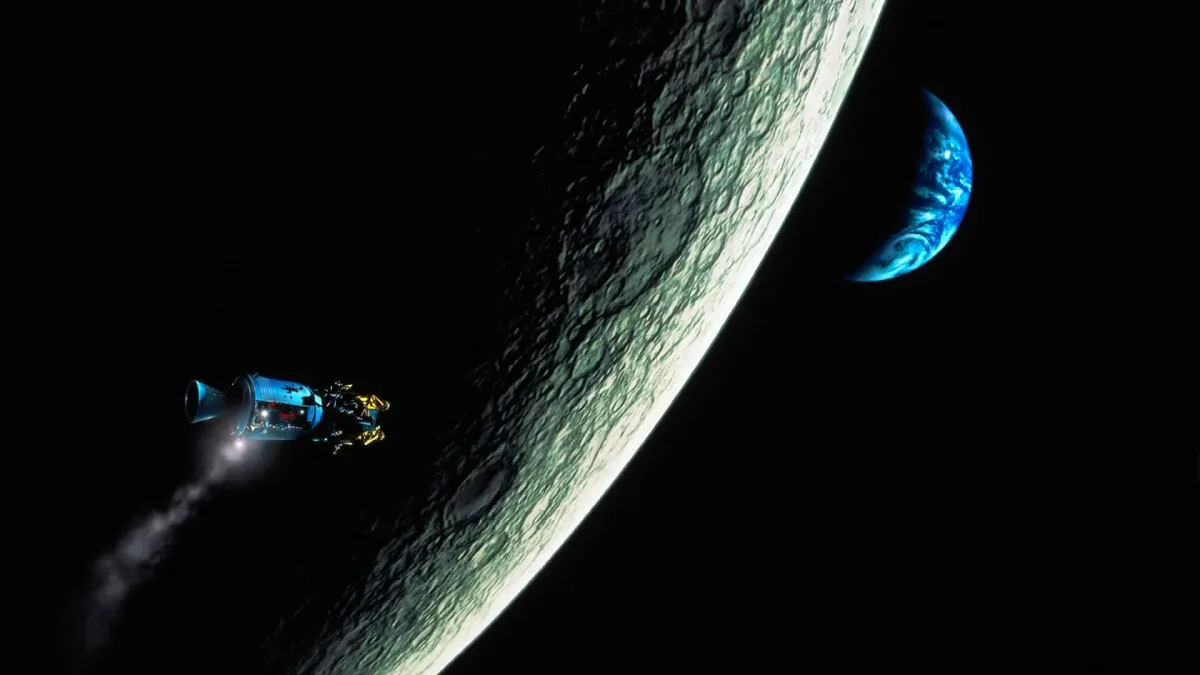
Apollo 13: The "Successful Failure"

The most famous near-disaster in space history, Apollo 13 became known as a "successful failure" after an oxygen tank explosion 200,000 miles from Earth. What most people don't know is just how close the crew came to not making it back at all.

The Crisis: On April 13, 1970, a cryogenic tank explosion crippled the service module, cutting off power, oxygen, and water. The crew had to abandon the command module and squeeze into the lunar module Aquarius, which was never designed to support three men for four days.

The Hidden Danger: When the crew finally jettisoned the service module, they were stunned by the extent of the damage. The entire side had been blown off, and the fuel cells were completely destroyed. Mission control later admitted they were "minutes away from losing the crew" during several critical moments.

The Recovery: Using duct tape, plastic bags, and ingenuity, the crew rigged a CO2 removal system. The return journey required precise calculations and manual navigation, as the spacecraft had no power for most instruments.

Soyuz 1: The Doomed Mission

Vladimir Komarov became the first person to die during a space mission, but the full story of Soyuz 1's failures was hidden for decades.

The Launch: On April 23, 1967, Komorbited despite 203 known technical issues. The parachute system was defective, but political pressure pushed the mission forward to beat the Americans.

The Fatal Failure: During re-entry, all three parachutes failed. Komorbuted at over 100 mph when his capsule hit the ground. Soviet leadership kept the full extent of the technical problems secret, and Komorbuted family was reportedly threatened if they spoke out.

The Cover-up: It wasn't until the 1990s that the full details emerged. The mission should never have been launched, but Soviet pride and the space race pressured officials to proceed with a known death trap.

Soyuz 18a: The Launch That Almost Killed Two Cosmonauts

This 1975 mission remains one of the most dramatic launch failures in history, yet it was largely kept secret for years.

The Catastrophic Launch: On April 5, 1975, the Soyuz rocket suffered a second-stage separation failure. The crew experienced forces up to 21G as the vehicle tumbled uncontrollably.

The Miraculous Escape: At an altitude of 104 miles, the escape system activated, pulling the capsule away from the failing rocket. The capsule's heat shield was damaged, and they landed in a remote mountainous region, but both cosmonauts survived.

The Secrecy: The Soviet government kept the details classified for years, reporting it as a "normal landing" rather than a near-fatal launch failure. It wasn't until after the Soviet collapse that the full story became public.

Apollo 14: The Landing That Almost Didn't Happen

While Apollo 13 is famous, Apollo 14 faced its own life-threatening crisis during the lunar landing attempt.

The Computer Malfunction: As the lunar module descended, the primary computer began spewing error codes. The crew had to switch to backup systems while manually flying the landing.

The Fuel Crisis: With fuel running low and the computer still malfunctioning, Commander Alan Shepard had to take manual control. They landed with only 60 seconds of fuel remaining - much closer than the "30 seconds" that was publicly reported.

The Hidden Risk: Mission control later revealed that the computer malfunction could have caused the landing to abort at any moment, leaving the crew stranded in lunar orbit with limited life support.

Space Shuttle Columbia: The Known Risk

The 2003 Columbia disaster was preceded by a similar incident that was deemed "acceptable risk."

The Foam Strike: During Columbia's 1997 mission, a piece of foam insulation struck the wing at 500 mph, creating a hole larger than a basketball. Engineers requested satellite images to assess the damage but were denied.

The Risk Assessment: NASA managers concluded the foam strike was not a safety concern, despite similar damage causing the fatal breakup in 2003. The foam had been a known problem for years.

The Pattern: This incident revealed a pattern of downplaying risks that contributed to the later disaster. Engineers' concerns were consistently overruled by management.

ISS Ammonia Leak: The Toxic Threat

The International Space Station faced a potentially catastrophic ammonia leak in 2012 that could have forced evacuation.

The Leak Detection: Astronauts discovered a leak in the station's cooling system that was releasing toxic ammonia into space. The leak was initially small but posed a serious risk.

The Evacuation Plan: Mission control prepared contingency plans for abandoning the station if the leak worsened. The crew had ready access to Soyuz escape vehicles at all times.

The Resolution: After several days of troubleshooting, the leak was contained, but the incident highlighted the constant dangers of living in space and the importance of having escape plans.

Apollo 11: The Fuel Shortage

The first moon landing was much closer to disaster than anyone admitted, particularly during the final descent.

The Low Fuel Warning: As Neil Armstrong guided the Eagle to the surface, the computer began flashing "LOW FUEL" warnings. They were rapidly running out of fuel during the most critical phase of landing.

The Manual Override: Armstrong had to manually override the computer's auto-landing sequence to find a safer landing spot, taking them over rocks and boulders that could have doomed the mission.

The Hidden Truth: NASA transcripts reveal the fuel situation was much more dire than publicly stated. They had less than 30 seconds of fuel remaining when they touched down - not the "seconds" that was officially reported.

Comparative Analysis of Near-Disaster Missions

Mission
Year
Primary Threat
Crew Size
Outcome
Apollo 13 1970 Oxygen explosion 3 Survived
Soyuz 1 1967 Parachute failure 1 Fatal
Soyuz 18a 1975 Launch failure 2 Survived
Apollo 14 1971 Computer malfunction 3 Survived
Columbia (STS-83) 1997 Foam strike 7 Survived
ISS Ammonia Leak 2012 Toxic leak 6 Survived
Apollo 11 1969 Fuel shortage 3 Survived

Risk Factors in Space Exploration

Technical Failures: Equipment malfunctions account for the majority of space mission crises. From oxygen tanks to computer systems, the complexity of spacecraft creates numerous failure points.

Human Error: Despite extensive training, human mistakes can have catastrophic consequences. Communication failures, miscalculations, and procedural errors have all contributed to near-disasters.

Political Pressure: The space race and national pride have often pushed missions forward when they should have been delayed or canceled. Soyuz 1 and Soyuz 18a are prime examples of political pressure overriding safety concerns.

Management Decisions: Downplaying risks and ignoring engineer warnings have contributed to several near-disasters. The Columbia foam strike incident revealed a pattern of poor risk assessment.

The Legacy of These Near-Disasters

These incidents have shaped space exploration in profound ways. They've led to improved safety protocols, better communication between astronauts and mission control, and more realistic risk assessments. Most importantly, they've reminded us that space exploration will always be dangerous, but with proper planning and courage, humans can overcome incredible odds.

References

  1. NASA Apollo 13 Mission Report
  2. Soyuz 1 - Soviet Space Program
  3. Soyuz 18a Launch Failure
  4. Apollo 14 Landing Challenges
  5. Space Shuttle Foam Strike History
  6. ISS Ammonia Leak Incident
  7. Apollo 11 Fuel Shortage Details
J

joson3000

Contributing writer for ALLTHINGSGEO.

Related Articles