
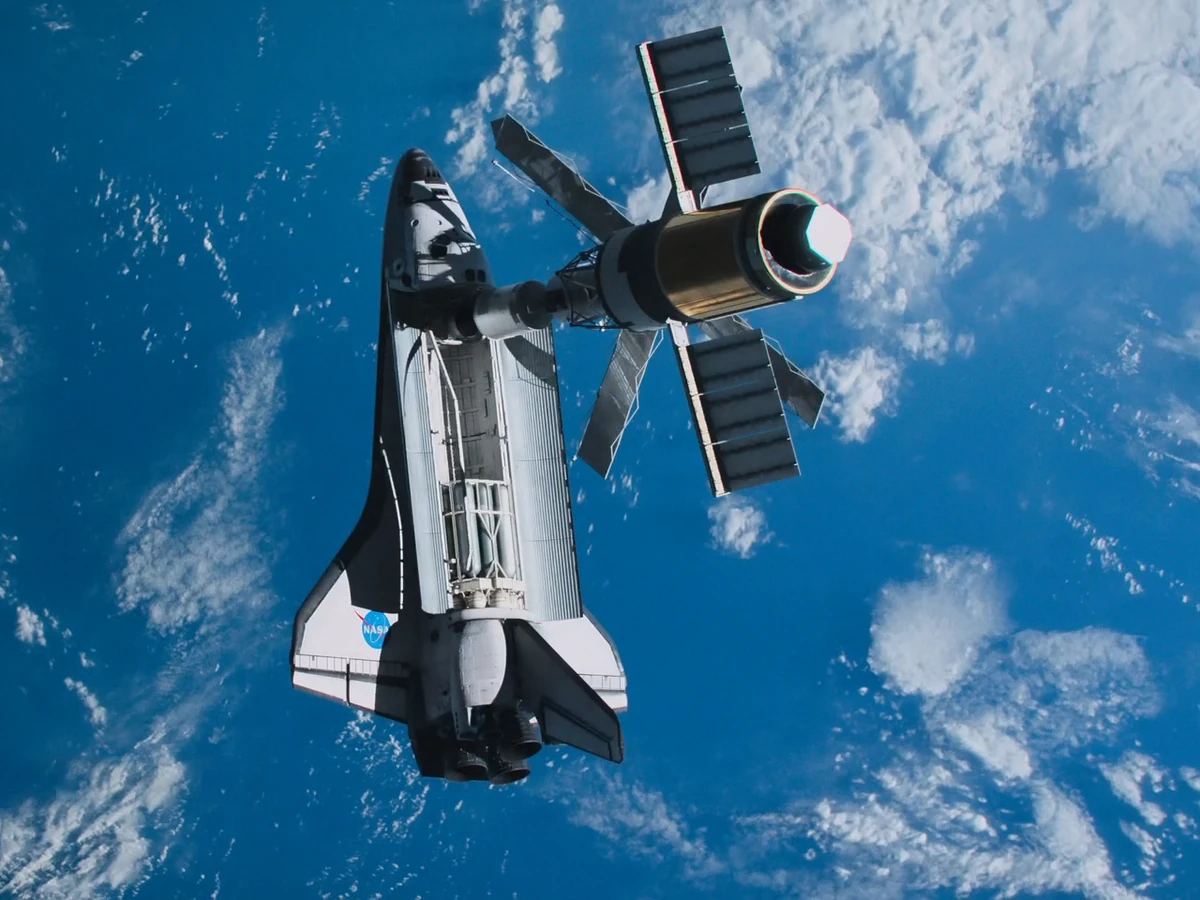
Skylab: America's First Space Station Returns to Public Display After 8 Years
Did you know that America's first home in space was actually a recycled rocket stage? In 1973, NASA launched Skylab, a massive orbital workshop that proved humans could live and work away from Earth for months. While the station itself fell back to Earth decades ago, the remaining artifacts and backup modules serve as physical proof of this bold era. After eight years away from the public eye, these historic pieces are back on display for you to explore.
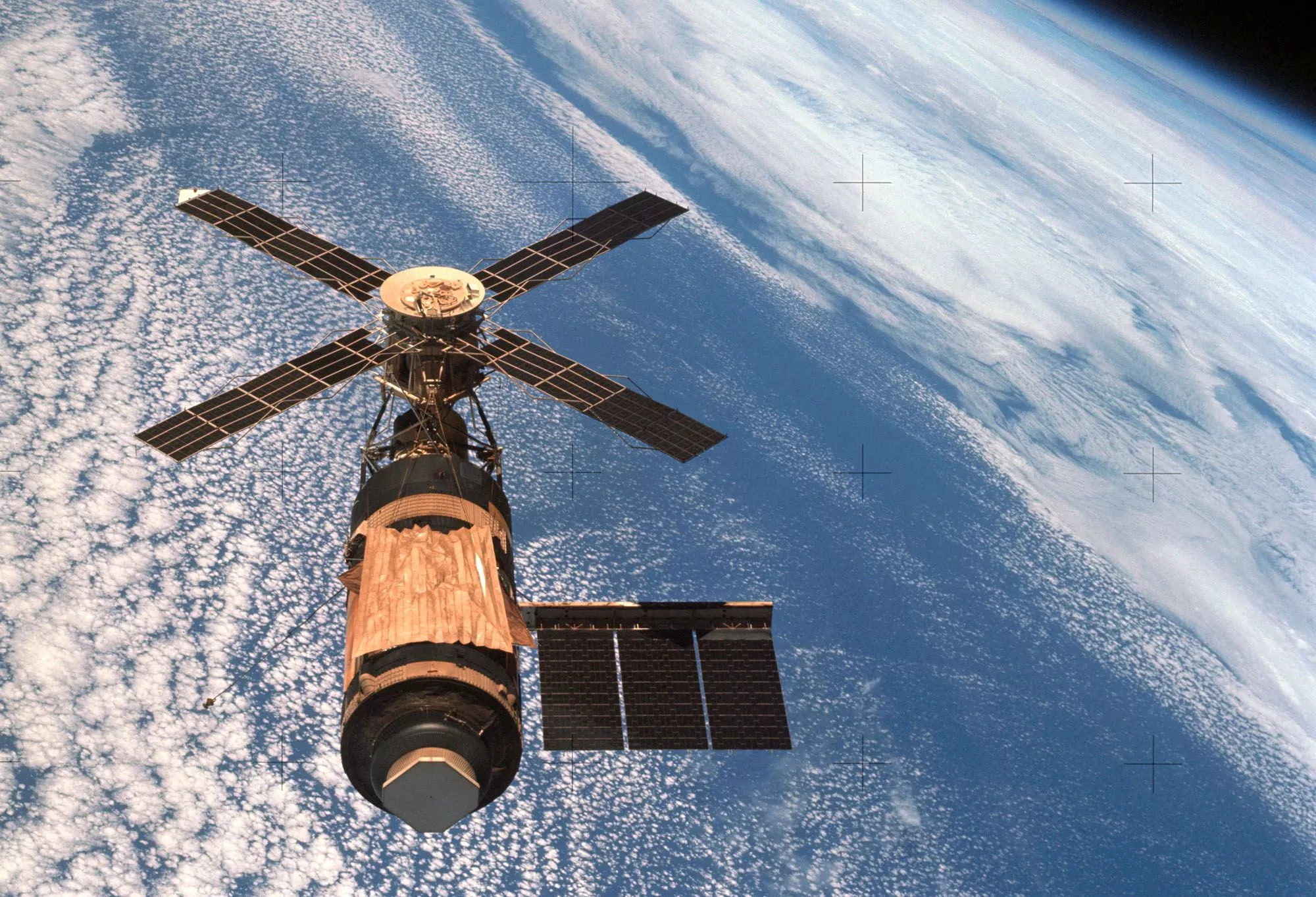
NASA built Skylab to show that space is more than just a place for flags and footprints. The station was huge, providing more room for astronauts than any capsule before it. You could find a shower, a dining table and even enough space to run around the interior walls. It was the first time Americans truly lived in orbit rather than just visiting it.
A Giant Leap with Skylab
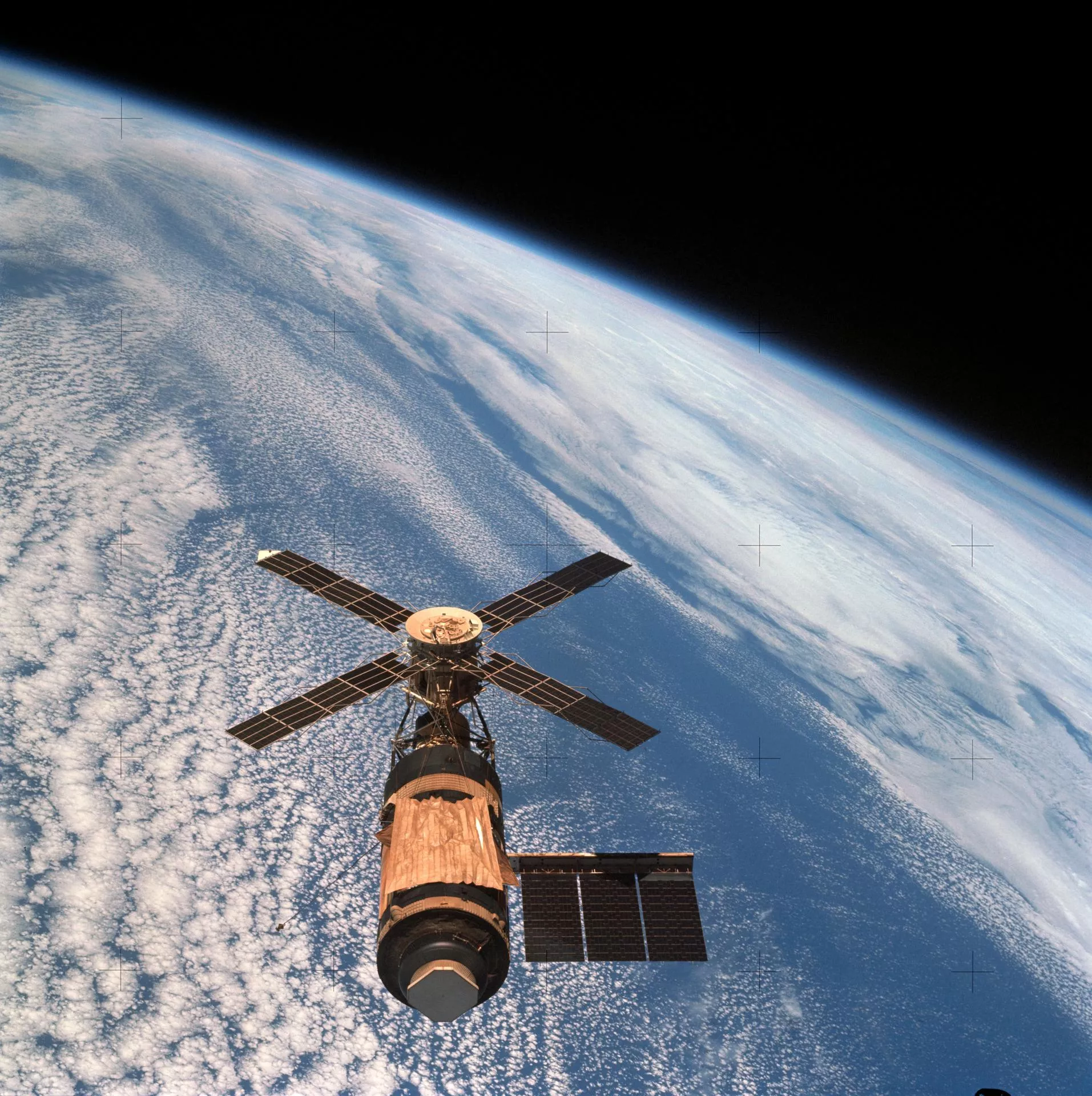
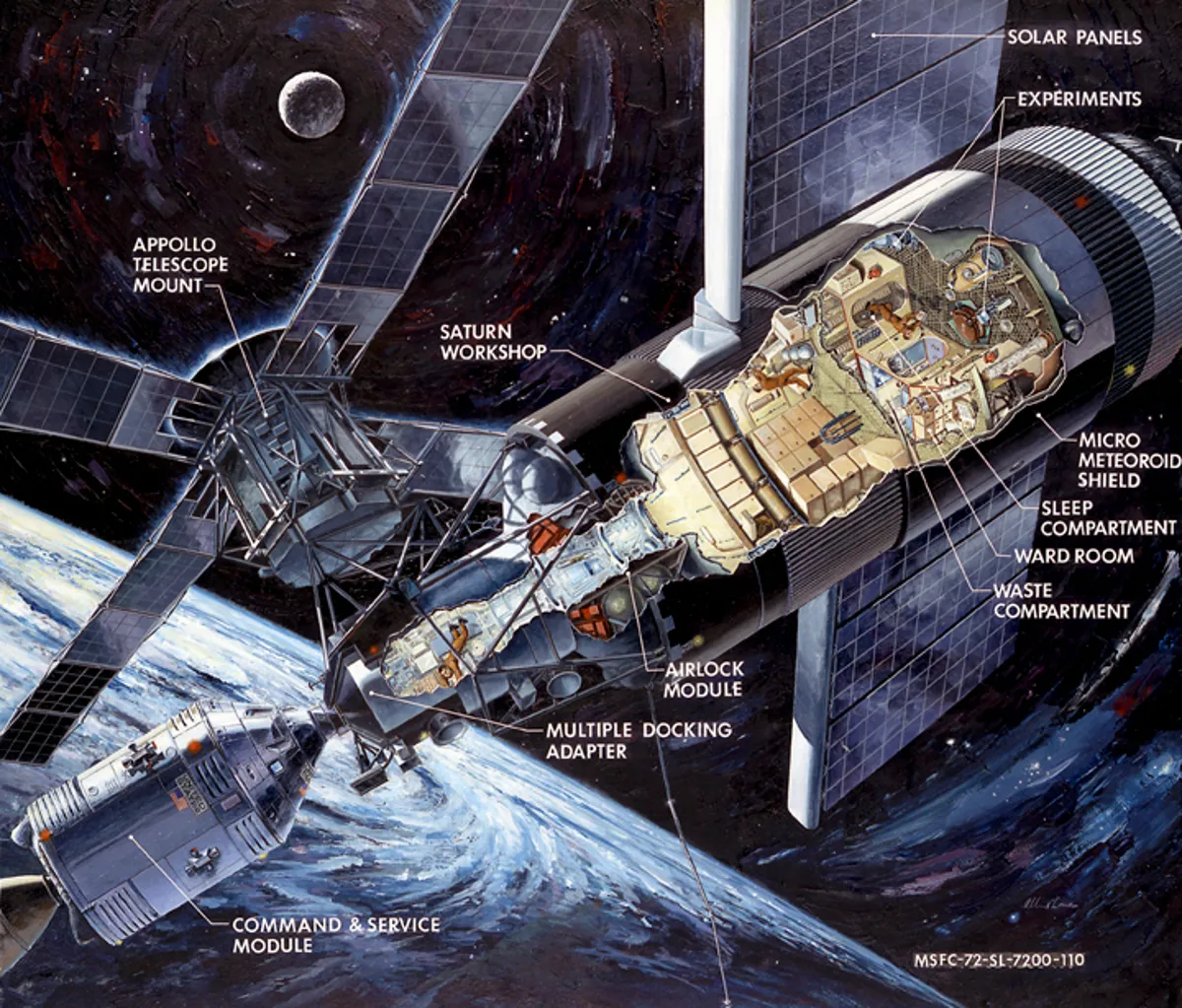
Engineers created Skylab using the third stage of a Saturn V rocket. Instead of filling it with fuel, they filled it with living quarters, laboratories and supplies - this clever reuse of technology allowed the United States to launch a functional station in a single flight. It was a massive structure that weighed nearly 170 000 pounds when it reached orbit.
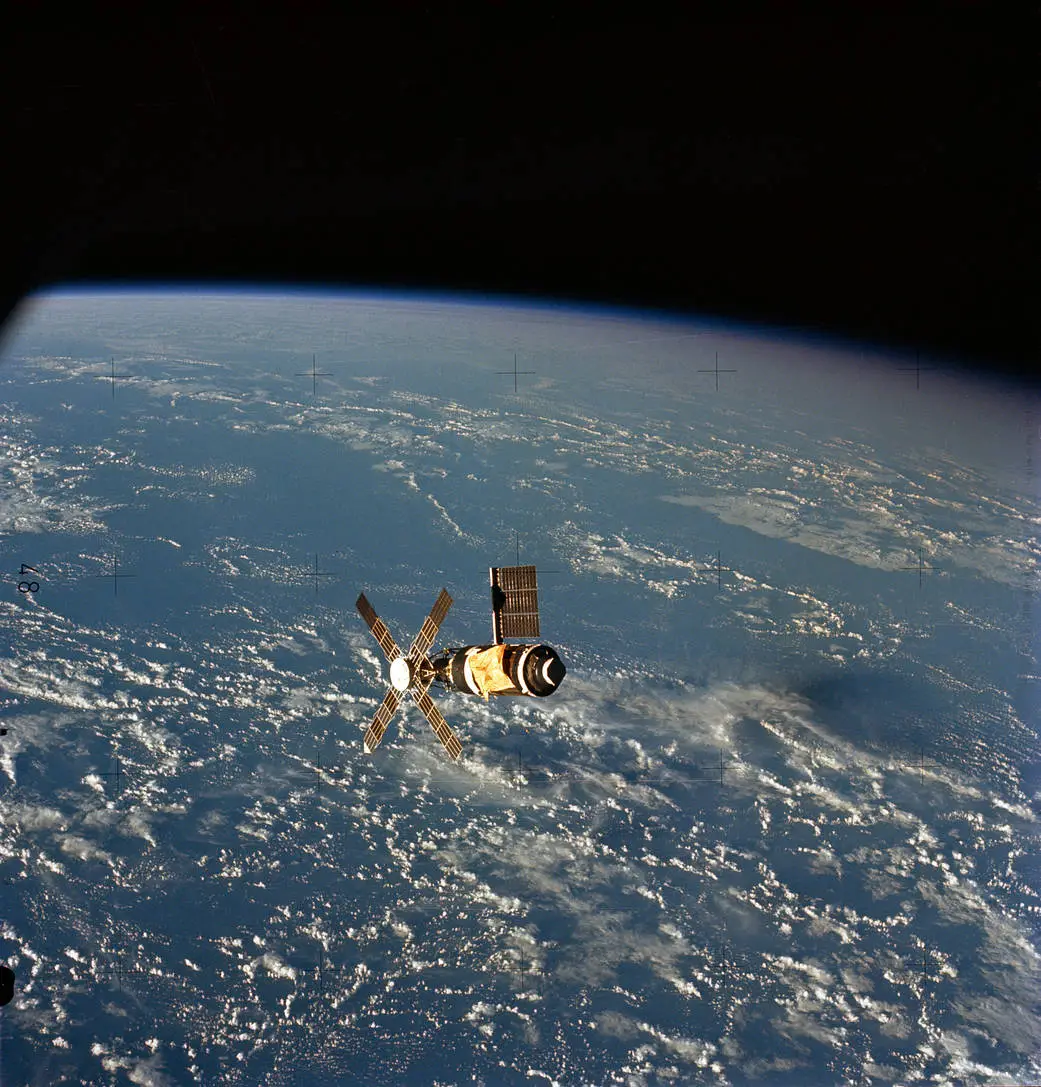
The station faced trouble immediately after liftoff when a micrometeoroid shield ripped away - this accident jammed a solar panel and caused the interior to heat up to dangerous levels. You might remember hearing how the first crew had to perform an emergency "space repair" to save the mission. They deployed a parasol to shade the station, which allowed the project to continue.
Returning to the Public Eye
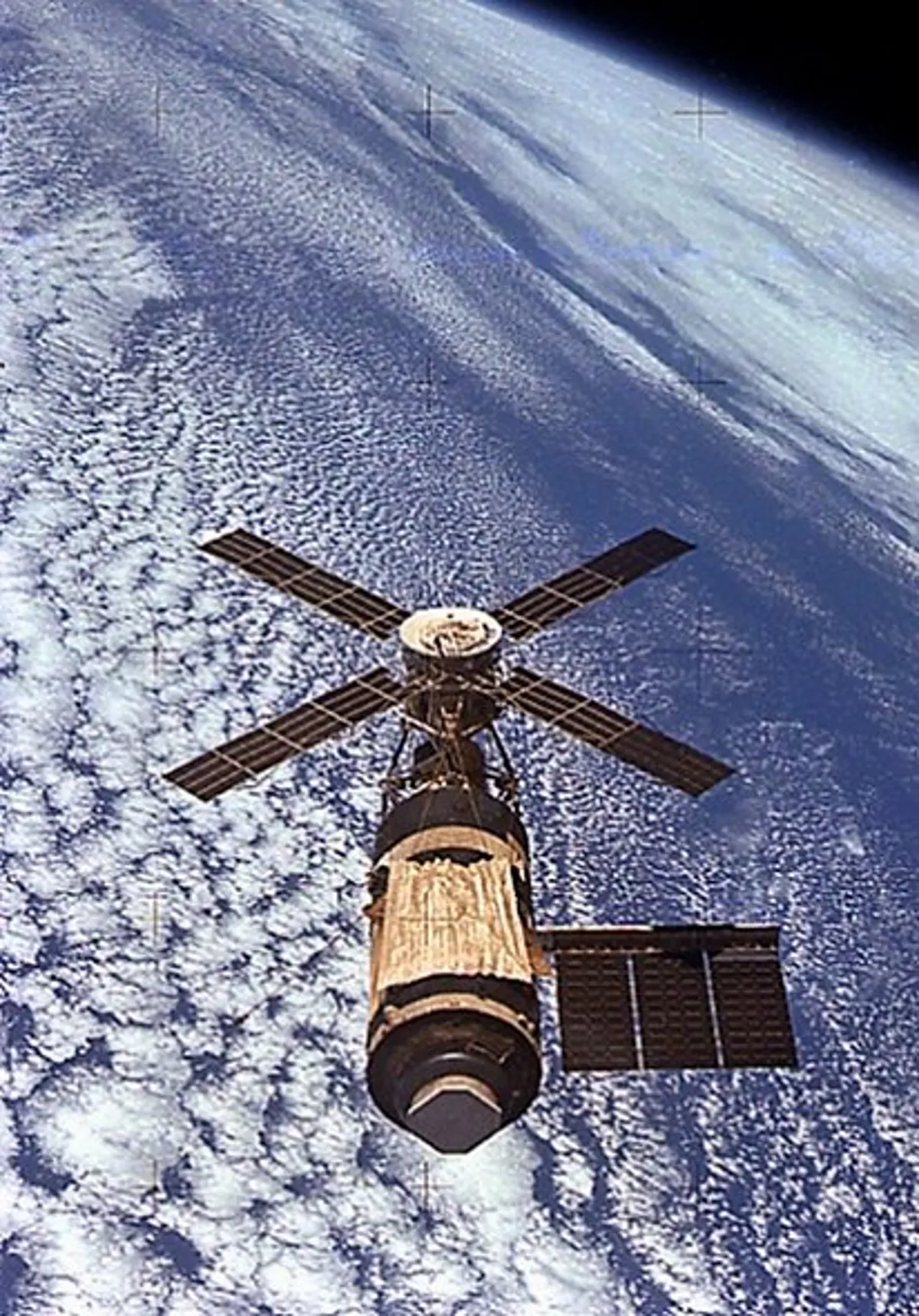
After being hidden away for eight years, Skylab exhibits are returning to museums - these displays allow you to see the actual hardware that engineers built during the 1970s. Because these items are federal government works, they belong in the public domain, which means the history of the program is accessible to everyone who wants to learn about it.
Recent technology has made this history even clearer for you. NASA recently released a documentary that shows the construction and launch of the station - this footage was originally recorded in 1973 but is now available in AI-remastered 8K quality. You can see the following details in the new versions
- The complex wiring of the solar observatories.
- The specific textures of the astronaut suits used during repairs.
- Clear views of the Earth as seen through the station windows.
- The daily routines of the crew members inside the workshop.
Life & Work in Orbit
Three different crews lived on the station between 1973 and 1974 - these men conducted hundreds of experiments that changed how we understand the sun and our own bodies. They used a special telescope called the Apollo Telescope Mount to take thousands of photos of solar flares and the solar corona - these images provided data that scientists used for many years after the station closed.
The final crew finished their work in early February 1974 - When they left, they made sure to bring back everything they had gathered. They loaded their capsule with
- Miles of magnetic data tape.
- Large canisters of exposed film.
- Biological samples from medical tests.
- Physical specimens from materials science experiments.
Even though the astronauts left, the "science phase" did not stop. Researchers on the ground spent years analyzing the information the crews collected - this data helped doctors understand how weightlessness affects human bones and muscles over long periods. You can still see the influence of these studies in how astronauts exercise on the station to this day.
From Skylab to the Modern Era
Skylab paved the way for everything that came after it - It proved that a modular approach to building in space is effective. Without the lessons learned from Skylab, the International Space Station (ISS) might look very different. The station showed that people are capable of fixing complex machines while wearing bulky gloves in a vacuum.
You can think of Skylab as the pioneer that turned space into a workplace. It moved NASA away from the "race" mindset and toward a focus on long term habitation. Now that these artifacts are back on display, you can stand next to the machines that started the era of permanent human presence in the stars. It is a rare chance to touch the beginning of the future.
FAQ
Is the original Skylab still in orbit?
No, the original Skylab station fell back into the Earth's atmosphere in 1979. Many of it burned up but some pieces landed in Western Australia. The items on display in museums today are typically backup units or flight ready components that stayed on Earth.
How many people lived on Skylab?
A total of nine astronauts lived on the station across three separate missions. Each mission had a crew of three individuals. The longest stay lasted about 84 days, which was a record at that time.
Can I watch the remastered footage online?
Yes, because the footage is a work of the U.S. federal government, it is in the public domain. You can find the AI-remastered 8K documentary through NASA's digital archives and various public video platforms.