
Rocket Lab Neutron Launch Date: Will It Fly in 2026?
A single structural failure in a carbon fiber tank can push a multimillion dollar space program back by an entire year? Rocket Lab faces this reality as engineers race to ready the Neutron rocket for its first flight. You might wonder if this medium lift vehicle will actually leave the ground before the end of 2026. The answer is currently a mix of ambitious goals and realistic delays.
The company originally wanted to see fire from the engines much earlier. Aerospace development is rarely a straight line. As you watch the progress, it is clear that the team is balancing the need for speed with the necessity of safety. A successful launch requires every component to survive extreme pressures and temperatures that are difficult to simulate on the ground.
The Evolution of the Launch Schedule
Rocket Lab initially aimed for a debut in late 2025 - That target moved to 2026 after a Stage 1 tank failed during a high pressure test - this event forced the team to analyze the structural design and make necessary adjustments. You are now looking at a window that centers on the fourth quarter of 2026, though this window is becoming smaller every month.
Current reports suggest that the firm is adjusting how it talks about success. Instead of promising a specific day for liftoff, the leadership focuses on reaching specific markers in the assembly process - this change reflects the complexity of building a reusable rocket that uses seven Archimedes engines. The schedule is tight and any small error in the manufacturing line causes a cascade of delays.

Critical Technical Hurdles & Progress
The Archimedes engine is the heart of the Neutron project - Engineers must ensure these engines are reliable and efficient before they ever reach the launch site. The company is putting hardware on test stands to measure performance. You can track their progress - looking for successful static fire tests, where the engines burn while the rocket stays bolted to the ground.
There are multiple specific areas where the team must succeed to stay on track
- First-Stage Qualification The main body must prove it can handle the vibration and force of flight.
- Avionics Integration The computers that steer the rocket must communicate perfectly with the hardware.
- Fairing Mechanism The "Hungry Hippo" nose cone must open and close reliably to release satellites.
These tasks are not just checkboxes - they are intensive engineering challenges. If a test shows a weakness, the designers must go back to their workstations - this iterative process is why the 2026 date remains uncertain for observers who follow the industry closely.

A Shift in Focus to the Launch Pad
Recent statements from Rocket Lab suggest a subtle change in their immediate objectives. Rather than a definite flight, the company is now emphasizing getting the Neutron to the launch pad in the fourth quarter of 2026 - this is a significant distinction. Being on the pad means the rocket is physically built but it does not mean it is ready to ignite its engines for a mission.
Arrival at the pad allows for "wet dress rehearsals" During these events, crews load the rocket with liquid oxygen and methane to check for leaks and sensor errors. You should expect multiple of the rehearsals before a real launch attempt occurs - these tests are the final filter for any hidden problems in the plumbing or software.
Predicting the Final Liftoff Date
Is a 2026 flight still possible for you to watch? It is still on the official calendar. The probability is shifting as the months pass. If the first stage qualification goes perfectly and the engines meet all performance metrics, a late December launch is a possibility. The margin for error is almost zero at this point.
Many industry analysts suggest that 2027 is a more realistic timeframe for the first actual flight - this extra time would give the technicians room to verify every bolt and line of code. Rocket Lab is a public company - they are under pressure to be transparent about these shifts. You will likely see more updates as the fourth quarter of 2026 approaches.

FAQ
Is the Neutron rocket reusable?
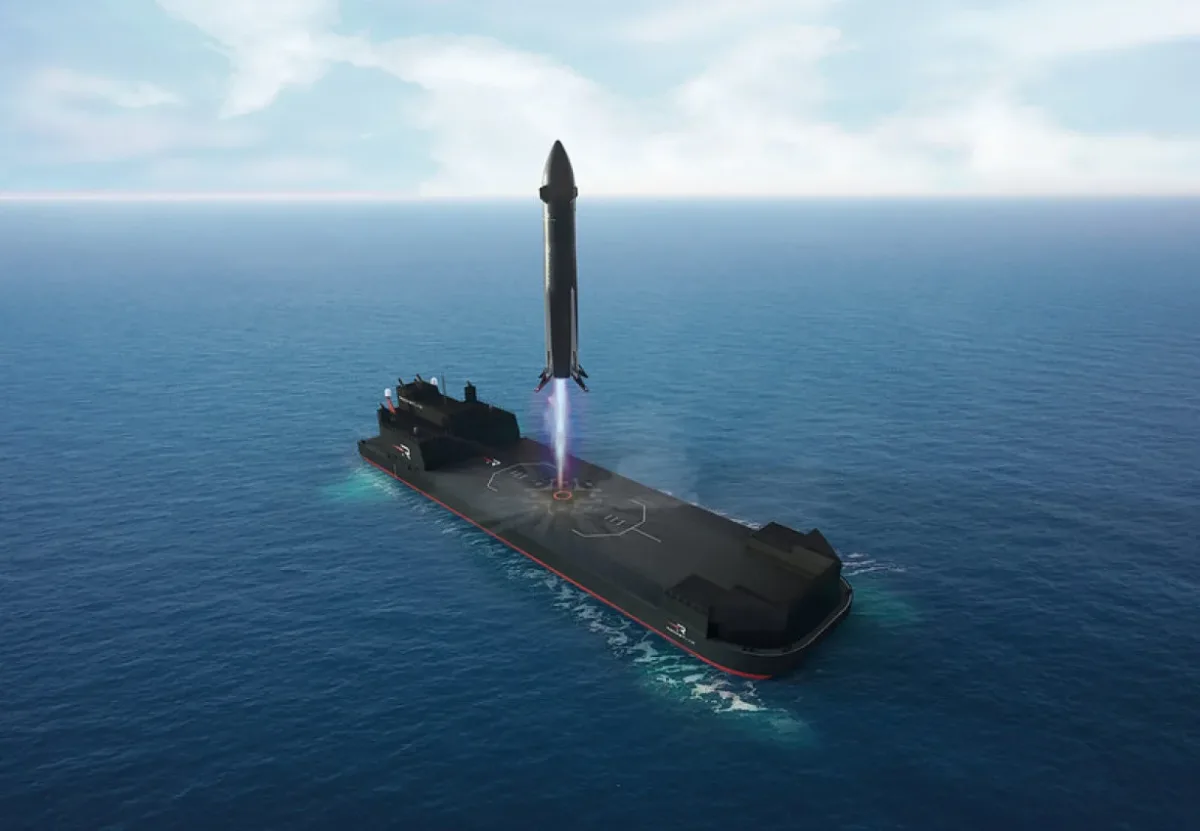
Yes, the first stage is designed to return to the launch site and land vertically - this allows the company to fly the same hardware multiple times, which lowers the cost for customers who want to send satellites into space.
What happened to the original 2025 launch date?
The timeline changed because of a structural failure during a tank test - this led the engineers to revise the design, which required more time for manufacturing and safety checks.
Where will Neutron launch from?
The rocket will fly from Launch Complex 2 at the Mid Atlantic Regional Spaceport in Virginia. The company is currently building the necessary infrastructure and towers at that location to support the larger size of the Neutron.