
Researchers Identify the Specific Meteorite That Wiped Out the Dinosaurs

TL;DR

About 66 million years ago, a massive space rock slammed into Earth with the force of billions of atomic bombs. This cosmic collision occurred near what is now the Yucatán Peninsula in Mexico, creating a crater 180 kilometers wide – one of the largest impact craters on Earth. The force of this impact was so tremendous that it shook the entire planet, triggering earthquakes, tsunamis, and volcanic activity across the globe. The dust and debris thrown into the atmosphere blocked sunlight for years, causing temperatures to plummet and photosynthesis to stop. This "nuclear winter" led to the extinction of approximately 75% of all species on Earth, including the mighty dinosaurs that had ruled our planet for over 150 million years. For decades, scientists knew that an asteroid impact caused the Cretaceous-Paleogene (K-Pg) extinction event, but they couldn't determine exactly what type of meteorite it was. The discovery of the Chicxulub crater in 1990 provided strong evidence of the impact location, but the meteorite itself vaporized upon impact, leaving only traces of its composition in the geological record. Researchers had to piece together clues from tiny amounts of material preserved in the K-Pg boundary layer – a thin clay deposit found worldwide that marks the exact time of the extinction.

Researchers Identify the Specific Meteorite That Wiped Out the Dinosaurs
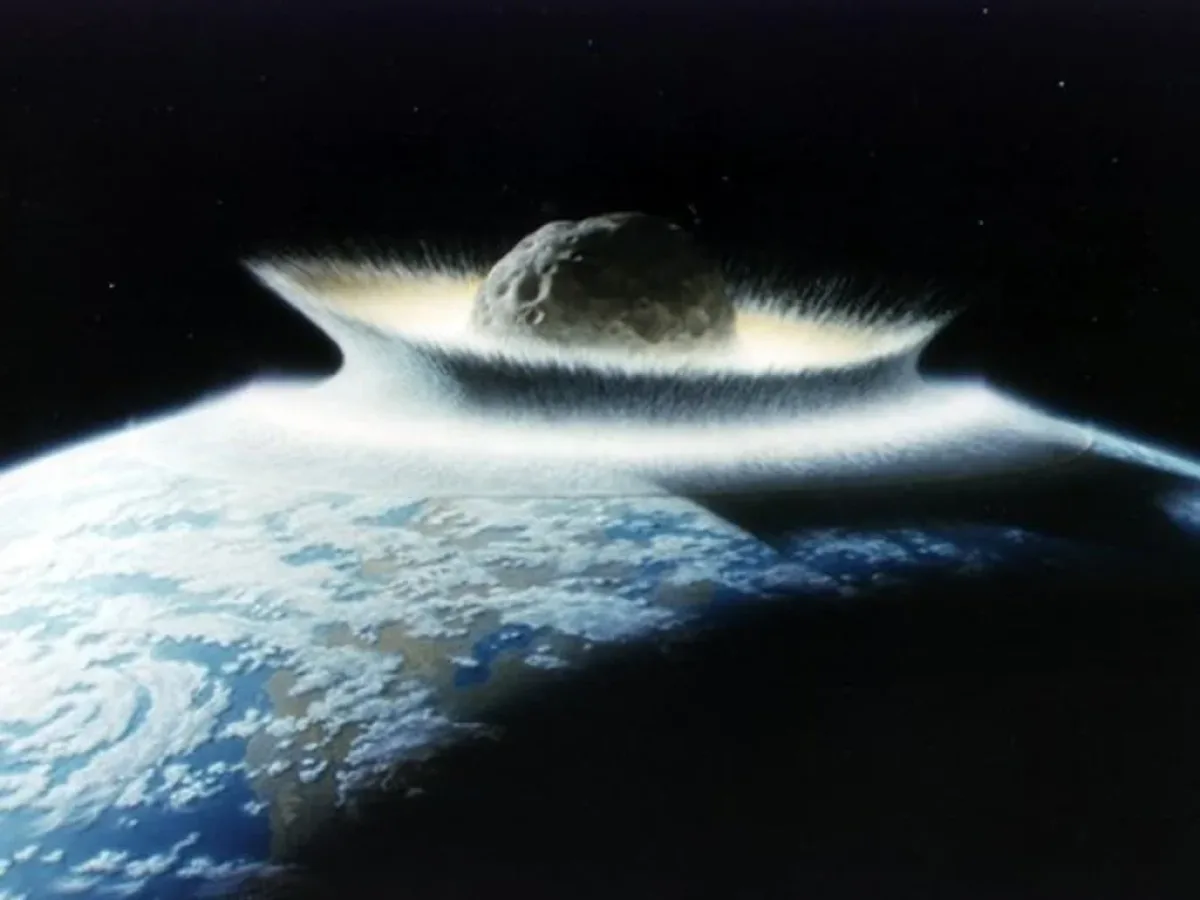
The rock which ended the age of the dinosaurs actually started its journey in the furthest, coldest reaches of our solar system? For decades, people wondered exactly what kind of object struck the Yucatan Peninsula 66 million years ago. An international team of scientists is finally giving us a clear answer about the identity of the Chicxulub impactor.

Researchers looked at samples from all over the world to solve this puzzle. They focused on a specific layer of clay that formed right after the impact. By using advanced technology to study nickel isotopes, they narrowed down the chemical signature of the rock - this evidence points to a specific and rare category of space debris.

The Mystery of the Giant Space Rock

The impactor was huge, measuring between 10 and 15 kilometers across. When it hit the Earth, it created a hole 180 kilometers wide - this event was so violent that it threw massive amounts of dust into the sky, which blocked the sun and caused a long, dark winter. While we knew the size of the crater, the exact makeup of the rock remained a secret until recently.

Scientists often find it hard to identify ancient meteorites because the impact heat destroys most of the original material. The chemical "fingerprints" left behind in the soil don't lie - these researchers compared the nickel in the impact layer to samples from various meteorites kept in museums and labs.

A Rare Find in Ancient Clay

The study concludes that the killer rock was a carbonaceous (CO) chondrite - this is a very rare type of space rock. If you look at all the meteorites people have found on Earth, only about 5 % are carbonaceous chondrites. The specific "Ornans" class mentioned in the study is even harder to find, making this a truly unique visitor to our planet.

These rocks are special because they are primitive - They are basically leftovers from when the Solar System first formed 4.5 billion years ago - those are a few things that make CO chondrites different from other space rocks

  • They contain very low amounts of water and carbon compared to other classes.
  • They have much less sulfur than common meteorites.
  • Their chemical makeup hasn't changed much since the birth of the sun.

Travelers from the Outer Solar System

Because of its chemical makeup, you can trace the rock back to its home. Scientists believe this meteorite likely came from the outer region of the Main Asteroid Belt or perhaps even the Kuiper Belt - these areas are far away from the sun, where the most ancient materials stay frozen and preserved.

Many objects that hit Earth today come from the inner parts of the asteroid belt. The fact that such a massive rock from the outer regions made its way to Earth is a significant discovery. It helps us understand how objects move around in space and what kind of threats might be lurking in the dark corners of our neighborhood.

Changing the Way We See the Great Extinction

This new data changes how we think about the "nuclear winter" that killed the dinosaurs. Since CO chondrites don't have much sulfur, the sulfur in the impactor probably wasn't the main thing that cooled the planet. The physical dust and debris from the Earth's crust were likely the biggest factors in blocking out the light.

Understanding these details is more than just a history lesson. It helps us prepare for the future. By knowing what these rocks are made of, we can better predict how they behave - this is why this research matters for us today

  • It helps us map where dangerous asteroids come from.
  • It allows us to build better models for how an impact affects the atmosphere.
  • It gives us data to design better defense systems to protect our planet.

FAQ

What exactly is a CO chondrite?

It is a rare type of stony meteorite that is very old and has a specific chemical makeup - these rocks are some of the least studied objects in space because they don't fall to Earth very often.

How do scientists know the type of meteorite after 66 million years?

They look at isotopes, which are variations of chemical elements like nickel. Since different types of space rocks have different isotope ratios, scientists can match the dust in the Earth's soil to known types of meteorites.

Does this mean the sulfur theory was wrong?

Not entirely but it suggests the sulfur didn't come from the meteorite itself. If there was sulfur involved in the cooling of the Earth, it likely came from the rocks on the ground in Mexico that the meteorite hit, rather than the space rock itself.

Where is the crater located today?

The Chicxulub crater is in the Yucatan Peninsula in Mexico. It is mostly buried underground and underwater now but you can see its effects through the many water filled sinkholes or cenotes, that ring the area.

References

  1. NHM - Dinosaur-killing Chicxulub asteroid came from the edge of the solar system
  2. Science - Dino-killing asteroid came from beyond Jupiter
  3. CNN - Chicxulub: Scientists identify asteroid type behind dinosaur extinction
  4. Discover Magazine - The Dinosaur-Killing Asteroid May Have Come From a Rare Class of Meteorites
  5. MSN - Rarest asteroid class killed dinosaurs: CO chondrite find
J

joson3000

Contributing writer for ALLTHINGSGEO.

Related Articles