
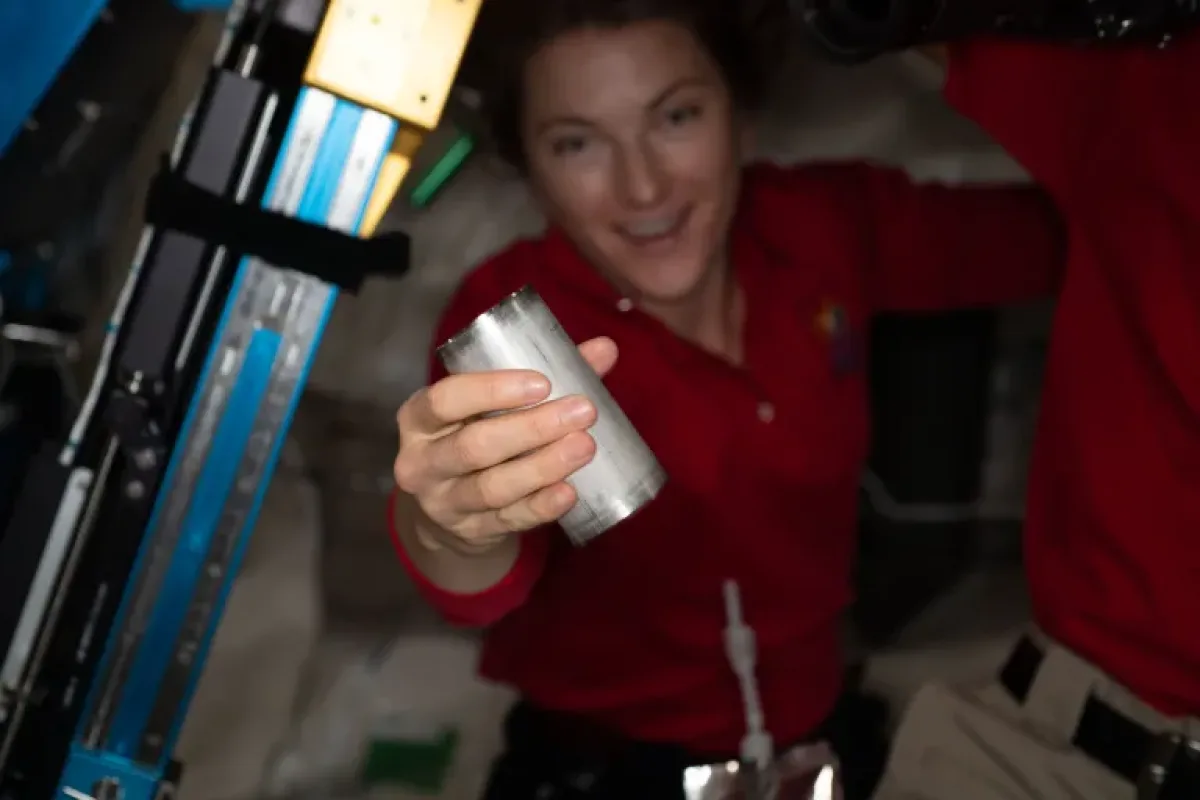
Recycling Water in Orbit: How the ISS Achieves 98% Recovery
Water is one of the hardest supplies to carry into space because every kilogram launched from Earth costs time, fuel and money. The International Space Station (ISS) solves much of this problem through its Environmental Control and Life Support System (ECLSS), which collects wastewater, urine and moisture from cabin air and turns much of it back into clean water. NASA reported in 2023 that the U.S. segment demonstrated 98% total water recovery, reaching the level considered important for future long-duration missions beyond low Earth orbit.
Summary
- Location: International Space Station
- Main system: Environmental Control and Life Support System (ECLSS)
- Water sources: Urine, wastewater and cabin humidity condensate
- Key components: Water Processor Assembly, Urine Processor Assembly and Brine Processor Assembly
- 98% milestone: Demonstrated on the ISS U.S. segment
- Main purpose: Reduce the amount of water that must be delivered from Earth
- Importance: Supports future long-duration missions to the Moon, Mars and other destinations
Why Water Recycling Is So Important in Space
On Earth, losing a small amount of water is usually manageable because fresh water can be transported from another location. A spacecraft does not have that luxury.
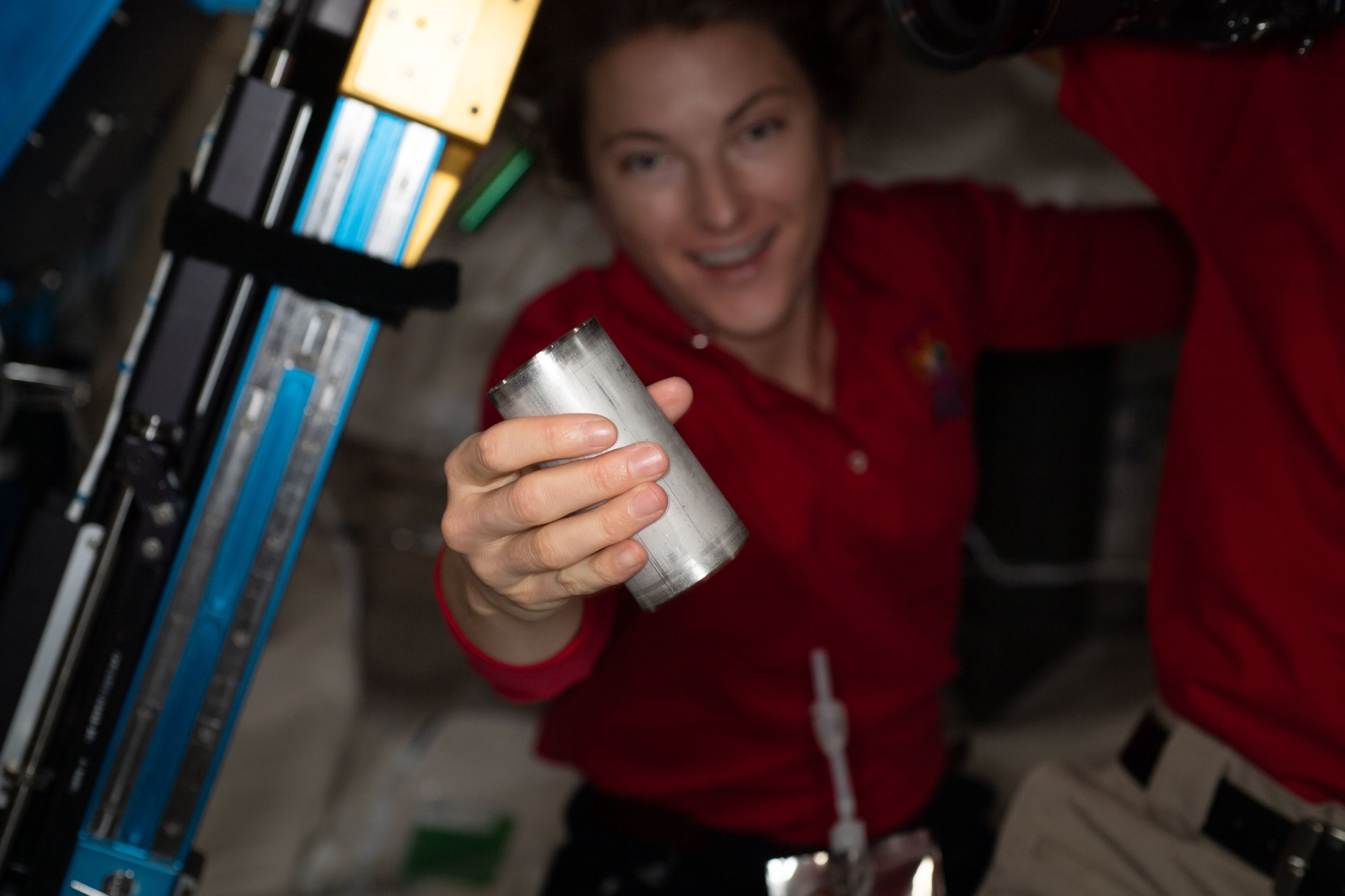
Astronauts need water for drinking, preparing food, hygiene and several life-support systems. Water is also used by the oxygen-generation system, which splits water into oxygen and hydrogen. Because resupply missions cannot continue forever on deep-space journeys, NASA has spent years developing systems that recover and reuse as much water as possible.
The ISS became an important testing ground for these technologies. NASA's goal for exploration-class life support has been to approach 98% water recovery, reducing the amount of fresh water that must be carried at launch.
Where the ISS Gets Its Recycled Water
The recycling process starts with water that would normally become waste.
Astronaut urine is collected and processed by the Urine Processor Assembly (UPA). The station also captures moisture from cabin air. Astronauts constantly add water vapor to the atmosphere through breathing and perspiration, while other activities produce additional humidity.
NASA's ECLSS combines these sources into a larger water-recovery process. Water from the urine processor is sent onward with other wastewater to the Water Processor Assembly (WPA).
| Water Source | What Happens |
|---|---|
| Urine | Sent to the Urine Processor Assembly |
| Cabin humidity | Condensed and collected |
| Other wastewater | Sent into the water-processing system |
| Recovered water | Filtered, purified and tested |
Step 1: Processing Urine
Urine is more difficult to recycle than ordinary wastewater because it contains salts, minerals and other dissolved substances.
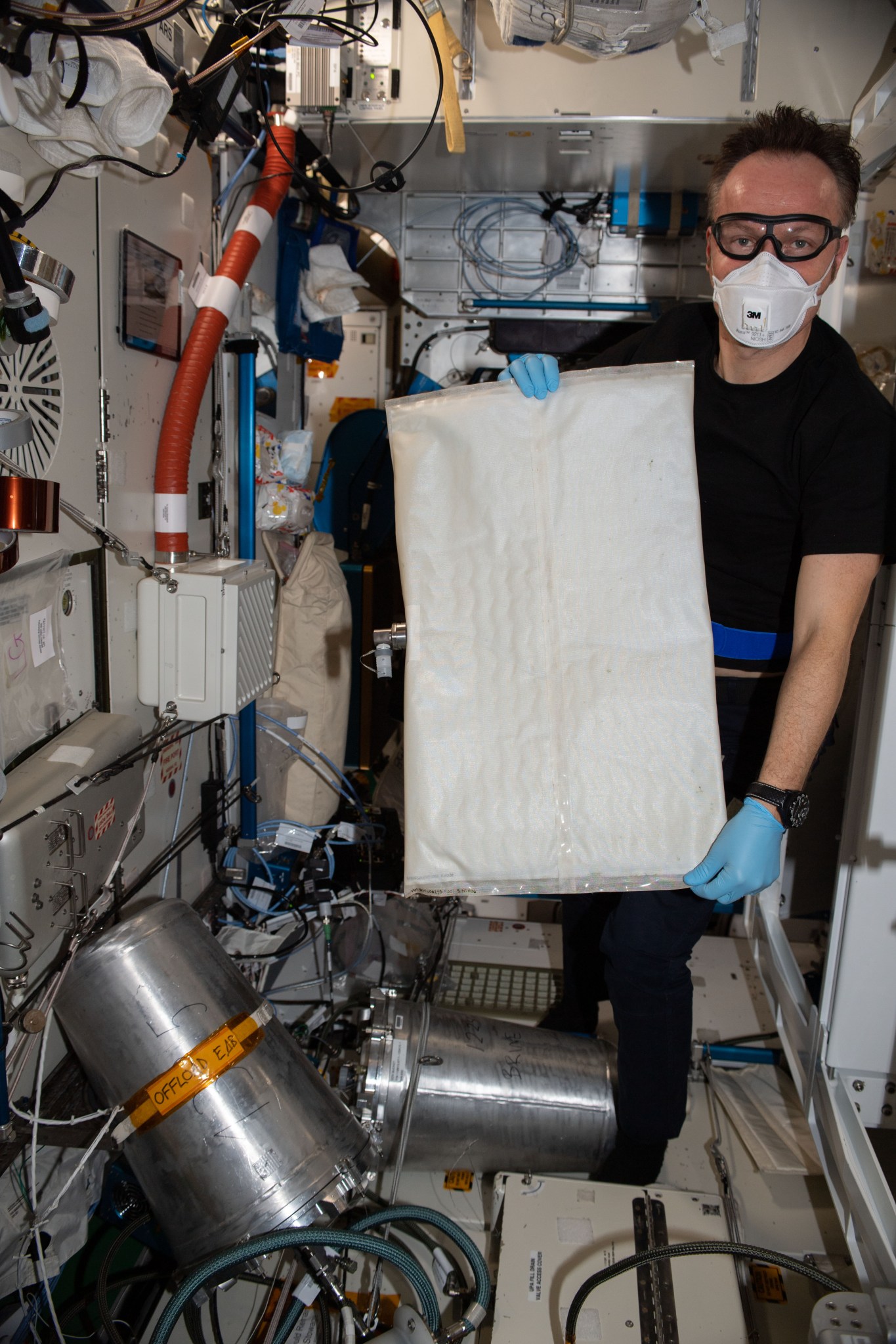
The UPA uses vacuum distillation to separate water from the urine. The process produces a cleaner water stream called distillate, but it also leaves behind a concentrated liquid known as urine brine.
For years, this leftover brine represented an important source of water that could not easily be recovered. NASA's engineers therefore developed the Brine Processor Assembly (BPA) to extract more water from it.
Step 2: The Brine Processor Recovers More Water
The BPA was the major step toward the 98% milestone.
NASA explains that the brine processor uses a specialized membrane and warm, dry air to help pull additional water out of the concentrated urine brine. The extracted water becomes vapor, which is then captured as humidity and returned to the station's normal water-processing system.
This matters because the earlier system recovered about 93% to 94% overall. Adding the brine processor allowed NASA to demonstrate approximately 98% total recovery in the exploration water-recovery system.
In simple terms, imagine collecting 100 liters of water. A 98% recovery rate means about 98 liters could remain within the recycling loop, while around 2 liters would be lost from that cycle.
Step 3: Turning Recovered Water Into Clean Water
The recovered liquid still cannot simply be poured into an astronaut's drinking container.
The Water Processor Assembly sends the collected water through several treatment stages. NASA describes a process that uses specialized filtration followed by a catalytic reactor to break down remaining contaminants. Sensors then check the water's quality.
If the water does not meet the required standards, it can be sent through the system again. Water that passes the checks is stored for later use, and iodine is added to help prevent microbial growth during storage.
| Component | Main Function |
|---|---|
| Urine Processor Assembly | Separates water from urine |
| Brine Processor Assembly | Recovers additional water from urine brine |
| Water Processor Assembly | Filters and chemically purifies recovered water |
| Sensors | Check water quality |
| Storage system | Holds approved water for crew use |
Does the ISS Really Recycle 98% of All Its Water?
There is an important detail behind the headline.
NASA's 2023 announcement says the U.S. segment of the ISS demonstrated 98% water recovery, and NASA later described that achievement as meeting the threshold needed for long-duration exploration missions.
However, NASA's general ECLSS reference page, updated in April 2025, still describes the Water Recovery System as recovering about 90% of the station's water.
The difference reflects the fact that the 98% figure is associated with the advanced exploration water-recovery configuration and its demonstrated capability, particularly with the Brine Processor Assembly. It should not be interpreted as meaning that every drop of water on every part of the ISS is continuously recovered at exactly 98%.
Why the 98% Milestone Matters for Mars
The real importance of the achievement goes beyond the ISS.
A spacecraft traveling to Mars could not depend on frequent cargo deliveries from Earth. Every kilogram of water sent on such a mission would increase the mission's launch and transportation burden.
NASA says the station is being used to develop technologies that can help create more self-sufficient life-support systems for future missions. Water recycling is therefore a key part of preparing humans for journeys beyond low Earth orbit.
The ISS has effectively become a laboratory for learning how to live with limited resources. Instead of treating water as something that is used once and discarded, the system keeps it moving through a closed recycling loop.
Latest Status
As of October 3, 2026, NASA continues to operate the International Space Station and use it for research and technology demonstrations. NASA's current expedition information lists Expedition 75, which began on July 26, 2026.
The 98% water-recovery demonstration remains one of the important ECLSS achievements supporting future human exploration.
Frequently Asked Questions
How does the ISS recycle urine?
Urine is processed through the Urine Processor Assembly, which uses vacuum distillation to recover water and leaves a concentrated brine behind.
Does the ISS recycle astronauts' sweat?
Water vapor from astronaut perspiration contributes to cabin humidity, which is collected and processed by the station's water-recovery system.
Is recycled water safe to drink?
Before recovered water is stored for crew use, it passes through filtration, catalytic treatment and quality checks. Water that fails the required standards can be reprocessed.
What is the Brine Processor Assembly?
It is a system designed to recover additional water from the concentrated brine left after urine processing.
When did NASA achieve 98% water recovery?
NASA announced the 98% water-recovery milestone in June 2023 after testing the Brine Processor Assembly on the ISS.
Why is water recycling important for Mars?
It reduces the quantity of fresh water that future crews would need to carry from Earth.
Is the entire ISS operating at exactly 98% recovery?
The 98% figure refers specifically to the demonstrated recovery capability of the U.S. segment's advanced exploration water-recovery system, rather than a guarantee that every water stream on the entire station always operates at exactly that percentage.
References
NASA, NASA Achieves Water Recovery Milestone on International Space Station. Read the NASA report
NASA, Environmental Control and Life Support Systems (ECLSS). Read the NASA ECLSS guide
NASA, NASA's 2023 Space Station Achievements. Read the NASA summary
NASA Technical Reports Server, Status of ISS Water Management and Recovery. View the NASA technical record
NASA, International Space Station: Launching NASA and Humanity into Deep Space. Read NASA's exploration overview