New Analysis Shows Mars Was Much More Habitable Than We Thought
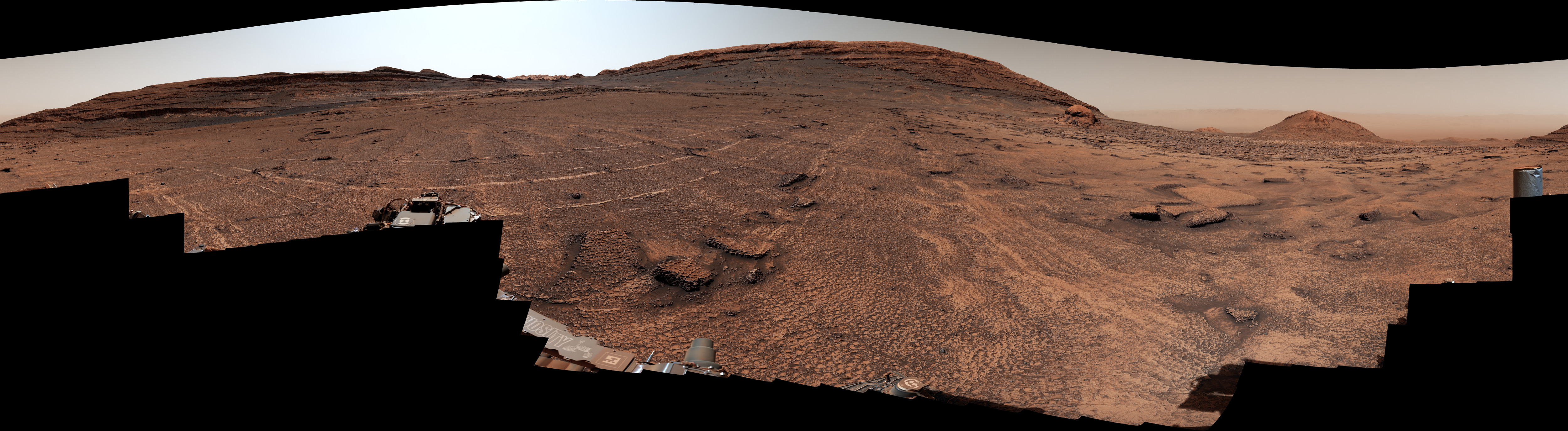
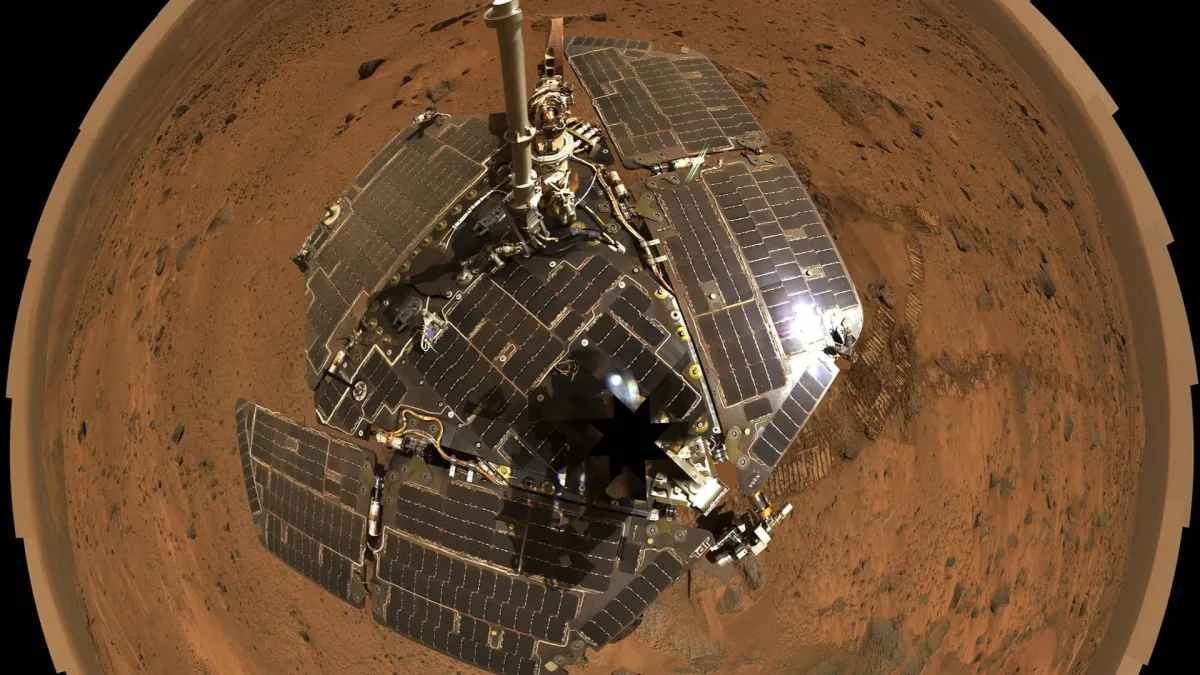
Evidence for a wet Mars was hiding in plain sight for over twenty years? While individual robot missions often provide snapshots of the Red Planet, the real story sometimes requires a much broader view. Scientist Paolo de Souza recently proved this by re examining old data from the NASA Spirit Rover, which landed in Gusev Crater back in 2004. By combining thousands of separate measurements, he discovered that liquid water was likely much more common across the Martian surface than anyone previously imagined.
Hidden Clues in Decades of Data
You might think we already know everything the older rovers found but science often moves in slow steps. The Spirit Rover carried a tool called a Mössbauer Spectrometer to study the chemical makeup of soil and rocks. When the rover was active, single tests did not always show clear proof of water. De Souza looked at years of these measurements all right away - this "big picture" approach revealed patterns that were impossible to see in small, isolated samples.
This method allowed the researcher to create the most detailed map of iron minerals in Martian soil ever made. Even though the amounts of certain minerals were tiny in each spot, they appear almost everywhere the rover traveled. You can think of it like finding a few drops of water in many different buckets - once you pour them all together, you realize you have a full glass - this work shows that the data we need to understand Mars is often already in our hands, waiting for a fresh look.
The Minerals That Reveal Liquid Water
Two specific minerals are at the center of this discovery - hematite and altered magnetite - these substances are important because they usually form when rocks and liquid water interact over long periods. While hematite can form in volcanoes, the types found in Gusev Crater suggest a past where the ground was soaked or even covered by water. De Souza was surprised to find crystalline hematite in ordinary soil because scientists did not expect it to be so common there.
- Hematite An iron oxide that forms in wet environments and is the main ingredient in the famous Martian "blueberries"
- Magnetite A mineral found in volcanic rock that changes its structure when it meets water.
- Iron Oxide The chemical responsible for the reddish color of the planet.
The presence of these minerals across 32 different soil sites means that Mars was likely warmer and wetter in the distant past. If the minerals are in the soil today, it is because water was there to create them millions of years ago - this discovery helps you imagine a version of Mars that looks very different from the dry, frozen desert we see today.

How Dust Records Planetary History
Mars is a very windy place where dust storms can cover the entire planet. Because of this, the soil layers that Spirit studied are not just local to Gusev Crater. De Souza's research suggests that this water altered dust exists across massive areas of the planet. Constant wind erosion and temperature shifts moved these minerals around, creating a global layer that carries the history of ancient water.
The study had to account for many difficult factors to be accurate. The scientist looked at
- Changes in temperature during measurements.
- The way wind wears down rocks over time.
- Chemical changes caused by the thin Martian atmosphere.
By filtering out these "noise" factors, the clear signal of water related minerals remained. It is a reminder that even the dust under a rover's wheels holds deep secrets about the history of a whole world.
What Comes Next for Martian Science
This success with Spirit is data is only the beginning of the project. De Souza plans to use the same methods to look at data from the Opportunity rover, which explored a different area called Meridiani Planum. If that analysis shows similar results, it will confirm that water was a global feature of Mars rather than just a local one - this helps scientists decide where to send future missions to look for signs of ancient life.
You can expect future missions to carry even more advanced tools for studying soil. While the older rovers did amazing work, we now know we need instruments that can run for much longer periods to catch the subtle clues. The work on Gusev Crater proves that being patient with old data can lead to the biggest breakthroughs in planetary science.

FAQ
Why is hematite important on Mars?
Hematite is an iron based mineral that typically forms in the presence of liquid water. Finding it in the soil suggests that the area was once very wet.
How did the scientist find this "hidden" water evidence?
He combined thousands of individual measurements from the Spirit rover's 20-year-old mission and analyzed them as one large data set to find patterns that single tests missed.
Is there liquid water on Mars right now?
This specific study focuses on ancient water that existed millions of years ago. Most water on Mars is frozen as ice or hidden deep underground.
References
- NASA Science Mars Water Overview - https://science.nasa.gov/mars
- NASA's Treasure Map for Water Ice on Mars - https://www.nasa.gov/solar-system/nasas-treasure-map-for-water-ice-on-mars
- Subsurface Water Ice Mapping Project - https://swim.psi.edu
- NASA Mars Water Resource Maps - https://ammos.nasa.gov/marswatermaps/?mission=MWR
- Water on Mars - Wikipedia - https://en.wikipedia.org/wiki/Water_on_Mars
- NASA's Curiosity Rover Discovers Field of Honeycomb Textures - https://www.nasa.gov/wp-content/uploads/2026/07/1-pia26729-curiosity-discovers-a-field-of-martian-polygons.jpg
- NASA Rover Detects Oldest Evidence of Water Flowing on Mars - https://www.reuters.com/science/nasa-rover-detects-some-oldest-evidence-water-flowing-mars-2026-03-18
- NASA's Curiosity Searches for New Clues About Mars Ancient Water - https://www.nasa.gov/missions/mars-science-laboratory/nasas-curiosity-searches-for-new-clues-about-mars-ancient-water
- Mars Water-Ice Detection Research Evolution - https://www.mdpi.com/2072-4292/17/6/1023
- NASA Confirms Evidence That Liquid Water Flows on Today's Mars - https://www.nasa.gov/news-release/nasa-confirms-evidence-that-liquid-water-flows-on-todays-mars