
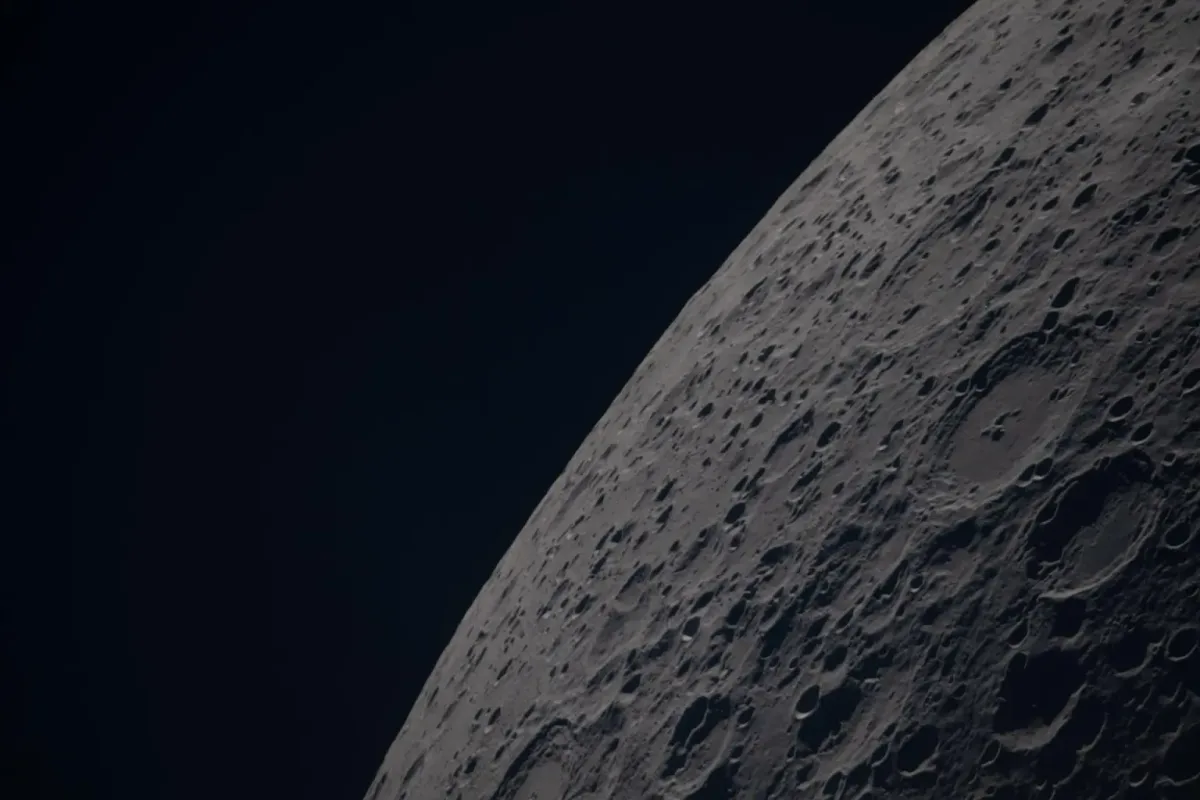
NASA Open Science Mandate: Sharing Every Future Moon Discovery
NASA is making open science a major part of its return to the Moon. Through its Science Mission Directorate policy, the Artemis Accords, and mission-specific data rules, NASA is building a system in which lunar scientific information is shared as widely as possible. The approach became especially visible on October 7, 2026, when NASA released more than 800 gigabytes of Artemis II lunar-science data, including more than 11,000 full-resolution images and videos and 8.5 hours of astronaut audio.
Summary
- Organization: NASA
- Program: Artemis
- Open-science policy: SPD-41a
- Major public archive: Planetary Data System
- Latest major lunar release: Artemis II, October 7, 2026
- Artemis Accords participation: 76 countries as of September 25, 2026
- Main goal: Make scientific results, data, and software broadly accessible

What NASA’s Open Science Policy Means
NASA’s Science Mission Directorate policy, SPD-41a, treats scientific information as a public resource. For NASA-funded research, peer-reviewed publications are generally made openly available without an embargo, while research data and software are shared at publication or at the end of the funding award. Mission data are released as soon as possible.
For lunar exploration, this matters because the Moon is becoming a busier research destination. Artemis combines crewed missions, commercial lunar deliveries, scientific instruments, and international partnerships. Open science means observations and results can be examined beyond the original mission team.
How Future Moon Discoveries Will Be Shared
The Artemis Accords add an international commitment. Their scientific-data principle calls for open sharing of scientific data and public release of scientific results. NASA said in September 2026 that science from every Moon rock sample, lunar dataset, and discovery produced through Artemis will be shared with the global scientific community.
NASA’s Artemis Accords page says signatories commit to open scientific-data sharing so people around the world can benefit from lunar exploration. By September 25, 2026, 76 countries had signed the accords, showing the growing international support for transparent lunar exploration.
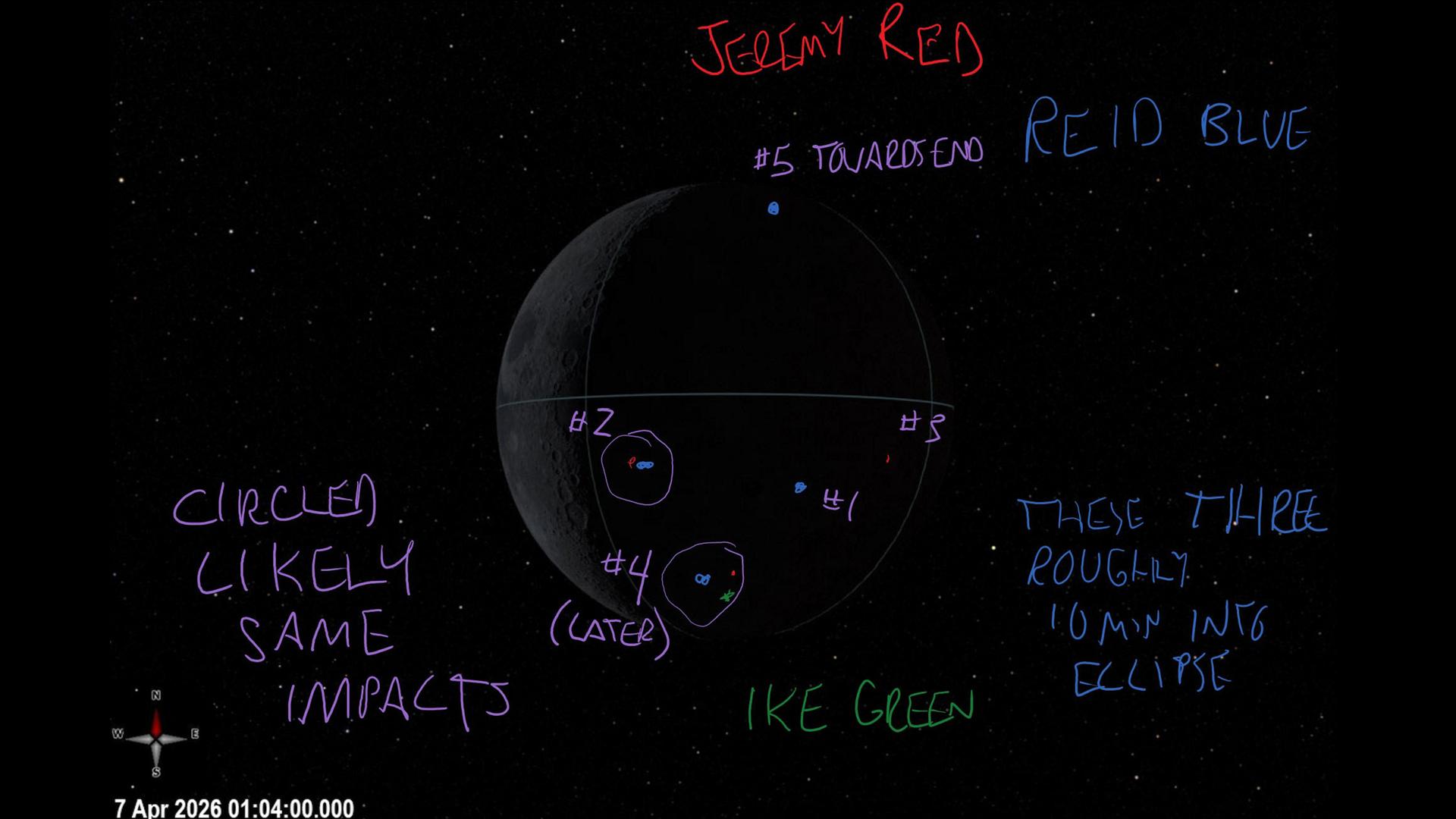
Artemis II Shows the Policy in Action
Artemis II provides the clearest example. The Artemis II mission launched on April 1, 2026, completed a 10-day journey around the Moon, and returned to Earth on April 10.
During its lunar flyby, astronauts took photographs, recorded observations, and studied surface features, including areas of the far side that humans had not directly observed before. NASA released the full lunar science dataset to the public on October 7.
The release contains more than 800 GB of data, more than 11,000 full-resolution images and videos, 8.5 hours of scientific audio, and crew-annotated images. NASA describes it as the first planetary science dataset captured primarily by humans in more than half a century.
Why Open Moon Data Matters
Open lunar data can help science move faster because more researchers can study the same evidence. One team might examine geology, another terrain and lighting, while another could use machine learning to identify patterns across images.
NASA’s policy also addresses AI and machine-learning research. Scientific training data connected to NASA-funded work generally fall under the same archiving and sharing expectations, although recognized exceptions apply.
Are Absolutely All Moon Data Public?
Not literally. NASA’s policy allows exceptions for information restricted by laws, regulations, export controls, privacy rules, contractual limits, or other requirements. NASA describes the goal as making scientific information publicly available to the greatest practical extent.
That distinction matters. “Sharing every future Moon discovery” describes NASA’s direction, but it does not mean every raw operational file or restricted piece of information will automatically become public.
Current and Future Lunar Data
NASA says data from its Commercial Lunar Payload Services scientific payloads are archived in approved public repositories as soon as practicable and no later than six months after receipt on Earth.
In January 2026, NASA selected three new Artemis science investigations focused on the Moon’s terrain, radiation environment, and history. Commercial deliveries for those investigations are planned no earlier than 2028.
Future lunar missions should therefore create a growing chain of public datasets that can be compared across missions, instruments, locations, and time.
Why This Could Change Lunar Science
NASA’s open-science approach could turn the Moon into a continuously expanding public research library. A new image or measurement may answer one question today and become evidence for a different study years later.
Instead of treating mission data mainly as the property of a small scientific team, NASA is increasingly designing lunar research around sharing and reproducibility.
As humans return to the Moon, each mission’s scientific value can last much longer than the mission itself. The Artemis era is not simply about collecting new information. It is also about making that information available so researchers, students, institutions, and future missions can keep finding new meaning in it.
References
NASA — NASA Boosts Open Science, Data Sharing with Artemis Accords Read NASA’s September 2026 open-science announcement
NASA — NASA Releases Artemis II Lunar Science Data, Images Read the Artemis II data-release report
NASA Science — Science Information Policy Read NASA’s SPD-41a policy information
NASA Science — Lunar Discovery and Exploration: Data Read NASA’s lunar data policy page
NASA — Artemis Accords Read the Artemis Accords and scientific-data principle
NASA — NASA Celebrates as Artemis Accords Surpasses 75 Signatories Read the September 2026 signatory update
NASA — New NASA Artemis Payloads To Study Moon’s Terrain, Radiation, History Read about the 2026 Artemis science selections