
NASA Debuts High-Tech Moon Suits Capable of Withstanding -334°F Extremes
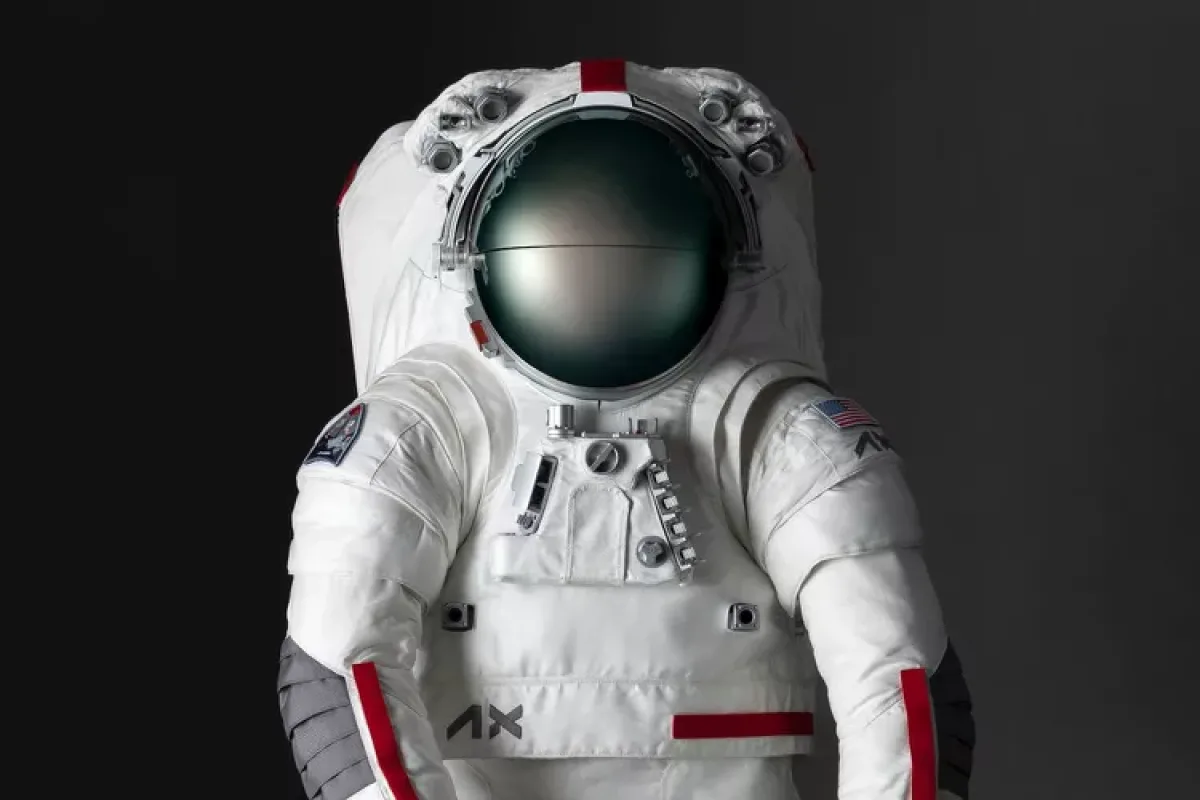
NASA’s latest lunar exploration suits, developed in partnership with Axiom Space and Prada, are engineered to protect astronauts from the moon’s most extreme conditions. Designed for the frigid, shadowed craters of the lunar south pole—where temperatures plummet to a staggering -334°F—these advanced suits mark a revolutionary leap in space exploration technology. With cutting-edge insulation, modular adaptability, and enhanced durability, they will enable safer, longer-duration missions during NASA’s upcoming Artemis III mission (scheduled for September 2026).
Summary
- NASA’s new moon suits, developed with Axiom Space and Prada, handle extreme cold and heat.
- Designed for the Artemis III mission (September 2026), targeting the lunar south pole.
- Temperatures in shadowed craters reach -334°F—three times colder than Earth’s coldest recorded location.
- The suits, called the Axiom Extravehicular Mobility Unit (AxEMU), adapt to all body types and support 8-hour spacewalks.
- Ice deposits in south pole craters could provide water, oxygen, and fuel for future missions.
- Underwater tests at NASA’s Neutral Buoyancy Lab validated performance in lunar gravity simulations.
- The suits will support NASA’s goal of establishing a permanent lunar base.
- The Prada-Axiom collaboration blends space tech with luxury design expertise.

The Evolution of Space Suits: A Journey to the Moon’s Darkest Corners
The AxEMU suits represent a quantum leap from NASA’s Apollo-era gear, offering unprecedented protection against the moon’s brutal environment. While Apollo suits handled temperatures down to -250°F, the AxEMU is engineered for -334°F—the extreme cold of craters untouched by sunlight for billions of years. These icy regions, mapped by NASA’s Lunar Reconnaissance Orbiter, harbor critical water ice deposits. Scientists believe this ice could supply future missions with drinking water, breathable air, and even rocket fuel, reducing reliance on Earth-based resources.
Peggy Whitson, a former NASA astronaut who spent 675 days in space, played a pivotal role in testing the suits. “Pleased to apply my expertise of being in space to the testing and design process of Prada!” she noted, underscoring the fusion of astronaut experience and high-end design.
A High-Tech Partnership: Axiom Space and Prada
NASA’s collaboration with Axiom Space and Prada merges aerospace innovation with luxury craftsmanship. Prada contributed expertise in materials science and ergonomic design, ensuring the suits are both lightweight and resilient. The result is a 25-layer fabric system that insulates against temperature swings while shielding astronauts from the moon’s abrasive, razor-sharp dust.
Surviving the Moon’s Dual Extremes
The moon’s surface is a study in contrasts: sunlit areas soar to 130°F, while shadowed craters freeze at -334°F. The AxEMU suits tackle both with advanced insulation and thermal regulation. Testing included underwater simulations at NASA’s Neutral Buoyancy Laboratory, replicating lunar gravity to ensure astronauts can move freely during missions.
Nicky Fox, NASA’s Science Mission Directorate director, emphasized the suits’ role in unlocking lunar resources: “These icy deposits could contain vital resources for future explorers, including water for radiation protection, air, energy, and even rocket fuel!”
NASA’s Costly Mission to the Moon
Developing the AxEMU suits is a significant investment. NASA awarded Axiom Space a $1.26 billion contract—including $228 million for initial design—reflecting the suits’ critical role in the Artemis program. This pales in comparison to the broader Artemis costs, estimated at $93 billion by 2025. Each launch of NASA’s Space Launch System (SLS) rocket costs $4.1 billion, marking the high stakes of lunar exploration.
Table 2: Estimated Costs of NASA’s Artemis Program
Conclusion: Paving the Way for Mars
The AxEMU suits are more than gear—they are enablers of NASA’s long-term vision for a permanent lunar base. By enabling extended exploration of the south pole’s icy craters, these suits will help harvest resources essential for sustaining human life on the moon and, ultimately, on Mars. The partnership with Prada and Axiom Space exemplifies how innovation in space exploration thrives at the intersection of science, engineering, and design. As NASA prepares for Artemis III, these suits stand ready to turn humanity’s lunar ambitions into reality.
References
- NASA Tests Key Spacesuit Parts Inside This Icy Chamber - JPL
- NASA's Moon South Pole Mission Information
- Orbital Today - Freezing For Science: NASA Tests Artemis Spacesuit Readiness
- NASA Spacesuit Technical Specifications
- Axiom Space Artemis Partnership Information