
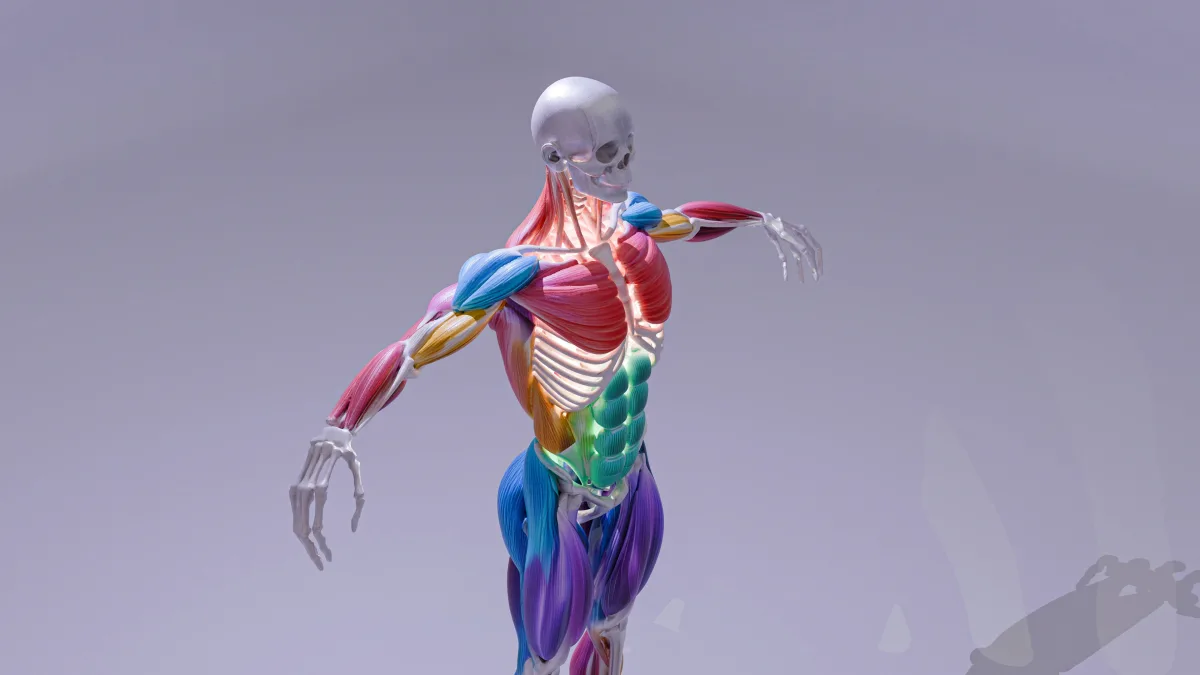
Muscle Gravity Relationship: What Happens When the Conversation Stops
The constant dialogue between our muscles and gravity is essential for maintaining strength, bone density, and overall physiological function. When this conversation stops due to microgravity environments like space travel or prolonged inactivity, the body undergoes rapid muscle atrophy and bone loss, highlighting just how dependent we are on Earth's gravitational pull for maintaining health and functionality.
Summary
- Gravity's Role: Earth's gravity provides constant resistance that muscles must work against daily, maintaining strength and bone density
- Muscle Atrophy in Space: Astronauts lose 10-20% muscle mass within weeks due to lack of gravitational resistance
- Bone Density Loss: Space travelers experience up to 1% bone density loss per month without countermeasures
- Physiological Impact: Muscle weakness affects cardiovascular function, balance, and overall mobility
- Countermeasures: Advanced exercise equipment and protocols help mitigate but don't eliminate muscle loss
- Earth Applications: Space research informs treatments for aging-related muscle loss (sarcopenia)
- Future Solutions: Artificial gravity research may provide long-term solutions for space travel
- Nutritional Factors: Protein and specific nutrients play crucial roles in muscle maintenance
- Exercise Requirements: Resistance training is essential for muscle preservation in microgravity
- Technology Evolution: Space exercise equipment has evolved from simple devices to advanced systems
- Medical Insights: Space muscle research helps understand Earth-bound muscle wasting diseases
- Performance Metrics: Grip strength and muscle performance require different gravity levels for maintenance
- Recovery Challenges: Regained muscle mass after space missions requires intensive rehabilitation
- Research Progress: Studies show 0.67g may be needed to maintain full muscle performance
- Future Missions: Long-duration Mars missions will require improved countermeasure strategies
The Gravity-Muscle Relationship: An Evolutionary Partnership
Since the dawn of human evolution, our muscles have engaged in a constant, silent conversation with gravity. This relationship goes far beyond simple movement - it's a fundamental physiological dialogue that shapes our musculoskeletal system, influences cellular processes, and maintains overall health. On Earth, gravity provides the constant resistance that our muscles must work against, keeping them strong, dense, and functional. This gravitational loading stimulates muscle protein synthesis, promotes bone mineralization, and maintains cardiovascular efficiency.
Understanding Muscle Atrophy in Microgravity
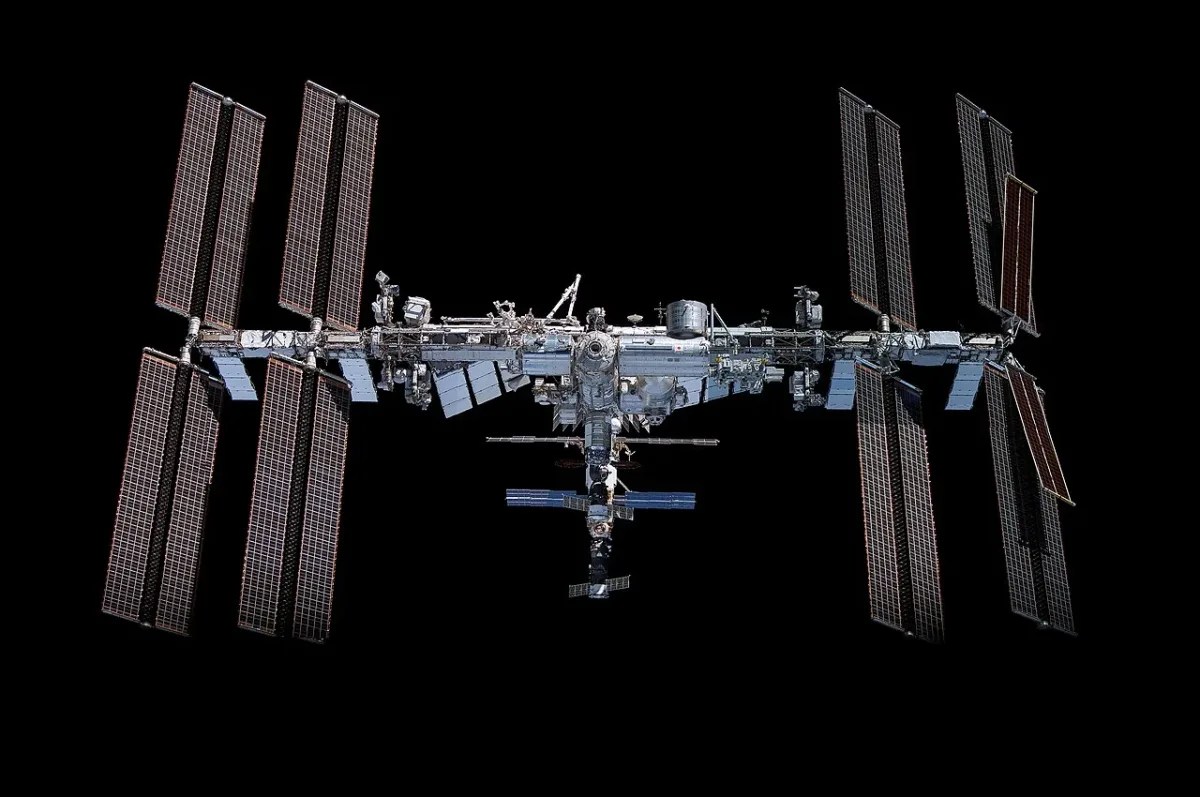
When humans enter microgravity environments like the International Space Station, this essential conversation stops abruptly. Without gravitational resistance, muscles no longer need to work to support body weight or maintain posture. The result is rapid muscle atrophy - a condition where muscle tissue breaks down faster than it's rebuilt. Studies show that astronauts can lose 10-20% of their muscle mass within just the first few weeks of spaceflight, with lower limb and postural muscles being most severely affected.
Table 1: Muscle Loss During Space Missions
The Science Behind Muscle Deconditioning
The mechanisms behind space-induced muscle atrophy are complex and many-sided. In microgravity, several key physiological processes change:
- Reduced Mechanical Loading: Without gravity, muscles experience less tension, leading to decreased protein synthesis
- Hormonal Changes: Altered levels of growth hormone, testosterone, and cortisol affect muscle maintenance
- Metabolic Shifts: Changes in energy utilization and protein turnover rates
- Neuromuscular Adaptations: The nervous system adapts to reduced demand, further accelerating muscle loss
- Circadian Disruption: Altered sleep patterns affect muscle recovery and growth processes
Bone Density Loss: The Silent Consequence
While muscle loss is visible and measurable, bone density loss occurs simultaneously and poses even greater long-term risks. In microgravity, weight-bearing bones lose density at a rate of approximately 1% per month. This condition, known as spaceflight osteopenia, can lead to increased fracture risk both in space and upon return to Earth. The spine, hips, and legs are most affected, with some astronauts experiencing up to 20% bone density loss after six-month missions.
Table 2: Bone Loss vs. Muscle Loss Comparison
Current Countermeasure Strategies
NASA and other space agencies have developed sophisticated exercise countermeasures to combat muscle and bone loss. The International Space Station is equipped with three primary exercise systems:
- Advanced Resistive Exercise Device (ARED): Provides up to 600 pounds of resistance for strength training
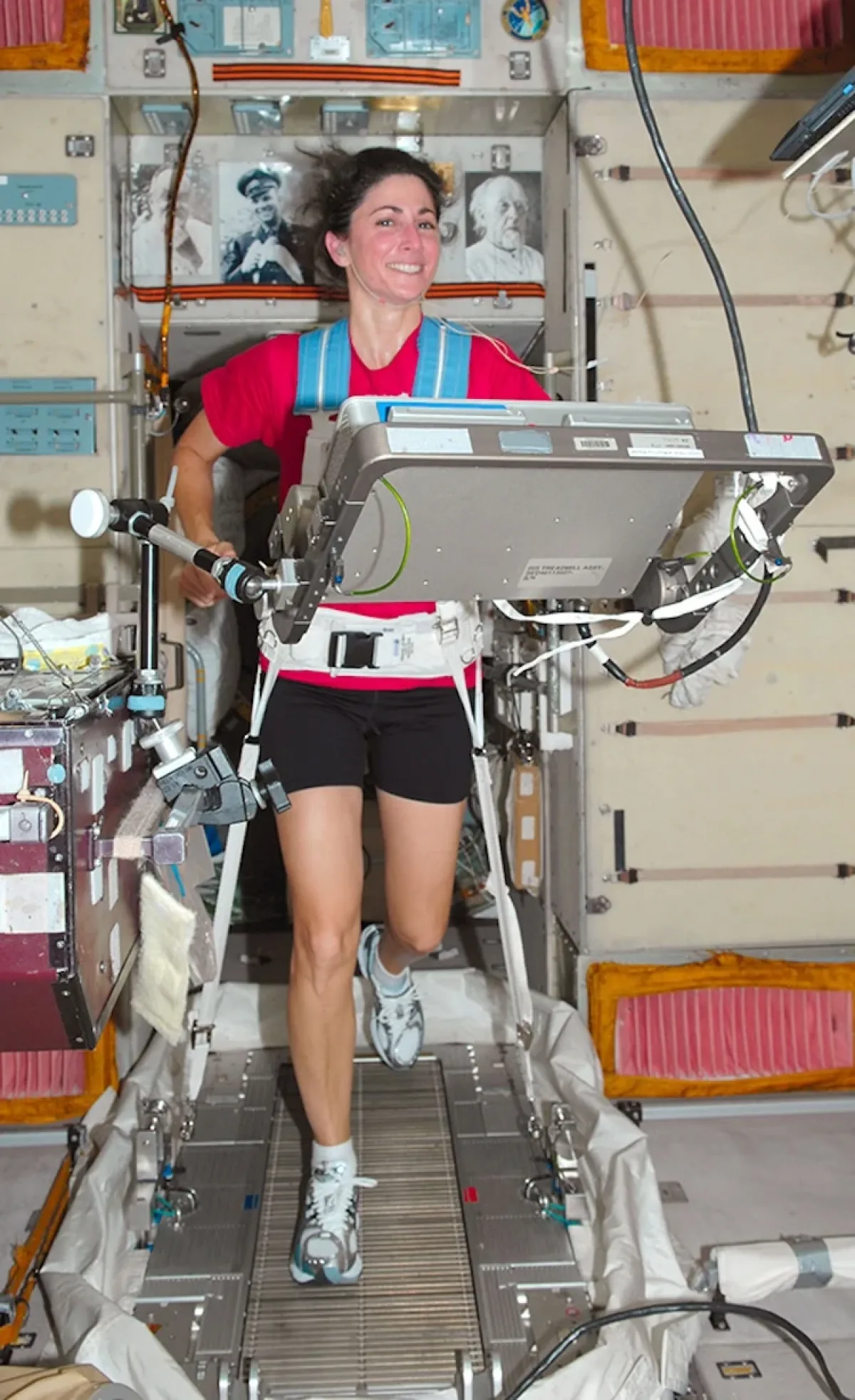
- Treadmill with Vibration Isolation System (TVIS): Allows running while secured to the treadmill
- Cycle Ergometer with Vibration Isolation System (CEVIS): Provides cardiovascular exercise
Despite these advanced systems, astronauts still exercise for 2-3 hours daily, yet muscle loss continues to occur. This highlights that even the best current technology cannot fully replace Earth's gravitational effects on human physiology.
Nutritional Considerations in Space
Exercise alone isn't sufficient to prevent muscle atrophy - nutrition plays a critical role. Astronauts require increased protein intake (typically 1.2-1.5 grams per kilogram of body weight) and specific nutrients to support muscle maintenance. Research has shown that nutrients like omega-3 fatty acids, vitamin D, and certain amino acids can help mitigate muscle loss during spaceflight.
Earth Applications: Lessons from Space Research
The study of muscle atrophy in space has provided valuable insights for treating muscle-wasting conditions on Earth. Conditions like sarcopenia (age-related muscle loss), muscular dystrophy, and disuse atrophy from injury or illness benefit from space research findings. The mechanisms identified in space-induced muscle loss help scientists develop better treatments and preventive strategies for these Earth-bound conditions.
Future Directions: Artificial Gravity and Beyond
As humanity plans for longer-duration missions to Mars and beyond, researchers are exploring artificial gravity as a potential solution. Studies have shown that even partial gravity (0.33g-0.67g) can help mitigate muscle atrophy, with 0.67g potentially being needed to maintain full muscle performance. Centrifuge systems and rotating spacecraft designs are being investigated to create artificial gravity environments during long space missions.
The Importance of This Research
Understanding the muscle-gravity conversation isn't just important for space exploration - it's fundamental to human health. On Earth, sedentary lifestyles create a milder form of the same physiological changes seen in space. By studying extreme environments like microgravity, we gain insights into maintaining muscle health, preventing age-related decline, and improving rehabilitation protocols for patients with mobility limitations.
References
-
NASA - Counteracting Bone and Muscle Loss in Microgravity. https://www.nasa.gov/missions/station/iss-research/counteracting-bone-and-muscle-loss-in-microgravity
-
Nature - Spaceflight on the ISS changed the skeletal muscle proteome. https://www.nature.com/articles/s41526-024-00406-3
-
ESA - Musculo-skeletal system: Bone and Muscle loss. https://www.esa.int/Enabling_Support/Preparing_for_the_Future/Space_for_Earth/Space_for_health/Musculo-skeletal_system_Bone_and_Muscle_loss
-
Cleveland Clinic - Muscle Atrophy: Causes, Symptoms & Treatment. https://my.clevelandclinic.org/health/diseases/22310-muscle-atrophy
-
NASA - Exercise Countermeasures. https://www.nasa.gov/reference/jsc-exercise-countermeasures
-
Harvard Health - Beyond protein: 6 other nutrients that help prevent muscle loss. https://www.health.harvard.edu/diet-and-nutrition/beyond-protein-6-other-nutrients-that-help-prevent-muscle-loss
-
Physiological Reviews - Gravity, microgravity, and artificial gravity. https://journals.physiology.org/doi/full/10.1152/physrev.00055.2024
-
Frontiers in Physiology - Optimization of Exercise Countermeasures for Human Space Flight. https://pmc.ncbi.nlm.nih.gov/articles/PMC6416179
-
Science - 0.33g mitigates muscle atrophy while 0.67g preserves. https://www.science.org/doi/10.1126/sciadv.aed2258
-
NASA - The Human Body in Space. https://www.nasa.gov/humans-in-space/the-human-body-in-space