
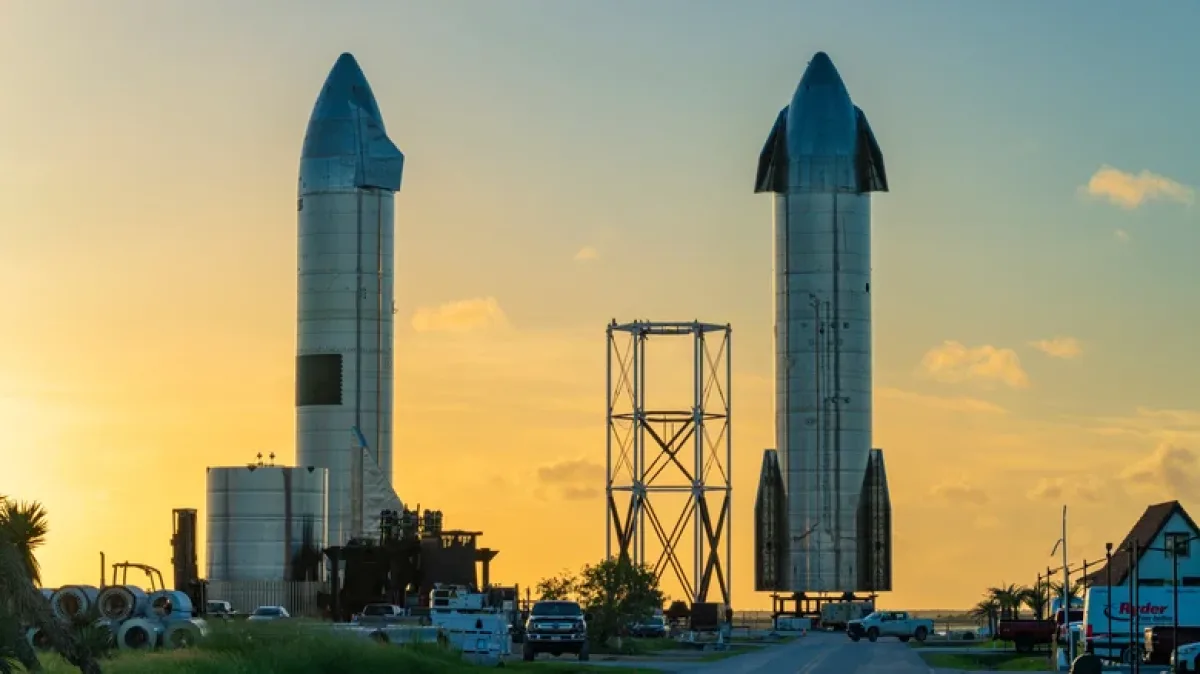
How the SpaceX Raptor 4 Engine Will Revolutionize Space Travel
The engines currently lifting the largest rocket in history are already becoming old news in the eyes of their creators? While the world watches Starship evolve, engineers are already drawing up plans for a successor that could change how we reach other planets. You are looking at the potential birth of the Raptor 4, a machine designed to be stronger and simpler than anything SpaceX has built before.
The Raptor 4 is not a flying engine yet but it represents the next step in making life multi planetary. It is a concept for a future version of the engines that power the Starship launch system. Many experts view this version as the primary choice for "Starship Block 4" a massive upgrade to the current rocket design.

The Basics of Raptor 4
You might wonder why SpaceX needs a new engine when the current ones work well. The goal is always to make the hardware cheaper and more reliable - this engine is a "full-flow staged combustion" cycle engine, which means it burns liquid methane and liquid oxygen in a way that uses every bit of gas to spin the pumps before it enters the main chamber.
This architecture is the same as the current Raptor 3 but the fourth version aims to push the physics even further. Engineers want to remove more pipes, sensors and bolts to create a "clean" look. When an engine has fewer parts, it is less likely to break during the intense heat of a launch.

Unmatched Power & Thrust
The most exciting part of this new design is how much weight it can lift. Current engines are powerful but the Raptor 4 aims for a sea level thrust of 300 - 330 tonnes per engine. If you put 33 of these engines on a single Super Heavy booster, the total power is hard to imagine.
Consider these potential statistics for a Raptor 4 booster
- Total Liftoff Thrust
Approximately 10 000 tonnes. - Propellant
Sub cooled liquid methane and liquid oxygen. - Engine Count
33 engines on the first stage booster.
This level of power allows the rocket to carry much heavier loads into space. You could see more satellites, larger habitats or more fuel for deep space missions on every single flight. It makes the cost of sending one kilogram of cargo to space much lower.

Refined Design for Mars
SpaceX wants the engines to be like airplane engines - You should be able to fly them, land them and fly them again with almost no work in between. The Raptor 4 focuses heavily on this reusability. By using new metal alloys that can handle extreme heat, the engine stays healthy for many more trips.
The design also focuses on the "thrust-to-weight" ratio - This is just a way of saying the engine is very light for how much power it creates. A lighter engine means the rocket can carry more cargo instead of just carrying the weight of its own machinery.
Current goals for the design team include
- Lowering the cost of manufacturing each unit.
- Reducing the time needed for inspections between flights.
- Increasing the pressure inside the combustion chamber.

When Will We See It?
You should keep in mind that the Raptor 4 is still in the early stages of planning. As of early 2026, there are no physical prototypes or public test dates. Elon Musk has mentioned it as a future goal but SpaceX is currently busy perfecting the Raptor 3.
The transition to a new engine usually takes years of testing on stands in the desert before it ever touches a rocket. You will likely see many more flights of the current Starship versions before the Raptor 4 becomes the standard. The roadmap shows that the path to Mars depends on these continuous improvements.

FAQ
Is Raptor 4 currently in use?
No, it is a future concept - SpaceX is currently focused on the Raptor 3 engine for its upcoming Starship launches.
How much stronger is it than the current engine?
It aims to produce up to 330 tonnes of thrust, which is a significant increase over the roughly 280 tonnes expected from earlier versions.
What fuel does the Raptor 4 use?
It uses liquid methane and liquid oxygen - This combination is chosen because methane can be created on Mars using local resources.
Will it look different from the Raptor 1 or 2?
Yes, it will likely look much simpler - Many of the external plumbing and wiring will be hidden or integrated into the body of the engine to protect it from heat.
