
ESA Heavy Cargo Capsules - Future Delivery Vehicles After ISS
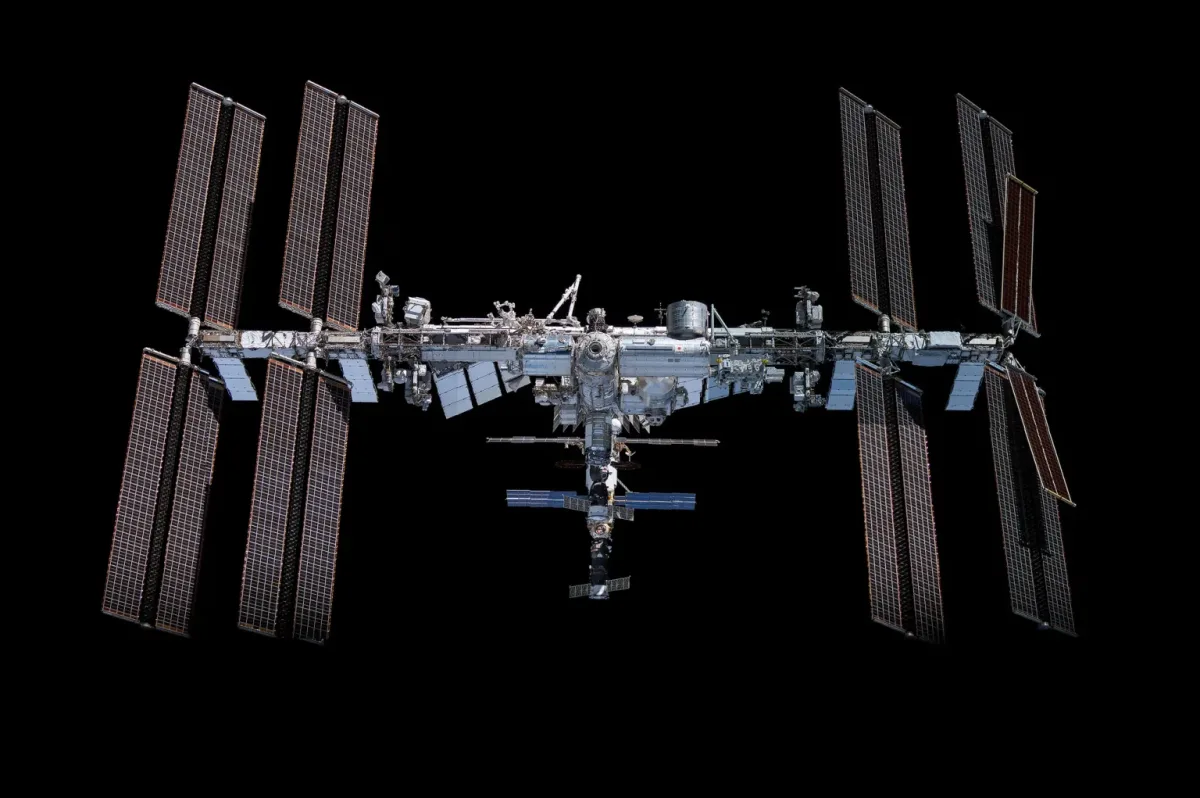
Europe is moving toward a new generation of reusable cargo spacecraft that could keep European supplies, experiments and research moving to low Earth orbit after the International Space Station (ISS) era. The most important development in 2026 is ESA’s ALADDIN programme, which selected The Exploration Company’s Nyx spacecraft for an initial demonstration mission to the ISS, with future missions potentially serving commercial space stations. The programme is part of a larger European effort to build independent cargo transportation for the post-ISS era.
Summary
- Programme: ESA ALADDIN
- Previous name: LEO Cargo Return Service (LCRS)
- Main spacecraft: Nyx, developed by The Exploration Company
- Purpose: Transport cargo to and from low Earth orbit
- First major demonstration: ISS cargo mission
- Launch provider: Arianespace
- Launcher: Ariane 64
- Future destinations: ISS and potentially commercial space stations
- ESA contract value: €760 million, including optional future missions
- ISS planned operating period: Through 2030 under NASA's current transition plan
- Related European vehicle: Space Rider, a reusable robotic laboratory with a return capability
Why Europe Needs New Cargo Vehicles After ISS
The ISS is expected to operate through 2030, and NASA is preparing for a transition toward commercially operated low-Earth-orbit destinations. Instead of one large international station serving as the main research platform, the next phase is expected to involve several commercial stations and privately operated transportation services.
For Europe, this creates an important problem. European astronauts, researchers and companies will still need regular access to orbit, but the end of the ISS could make dependence on foreign transportation systems more important.
ESA therefore launched its European commercial cargo programme to encourage companies to develop vehicles able to carry supplies to orbital stations and bring valuable material back to Earth. The original LCRS programme selected two industrial teams in 2024, each receiving €25 million to support development.
By 2026, the programme had moved into a much more advanced stage.
ESA's ALADDIN Programme and the Nyx Cargo Capsule
In September 2026, ESA awarded The Exploration Company (TEC) a major service contract under the new name ALADDIN, short for Autonomous LEO Accelerated Demo Docking to ISS Node. The programme is designed to move Europe from early development into a complete system and an orbital demonstration.
The agreement is worth €760 million in total. ESA says €310 million is allocated to the demonstration mission, while another €450 million covers two optional additional missions that would need later confirmation. The first mission is intended to demonstrate an autonomous Nyx cargo capsule mission to the ISS.
Nyx is designed as a reusable orbital transportation vehicle. Its basic mission is straightforward: launch from Earth, travel to an orbital destination, dock with a space station, deliver or collect cargo, and then return to Earth. The Exploration Company says the spacecraft is being designed to work with different launch systems and destinations.
The new European cargo system is especially important because it is not limited to the ISS. ESA's September 2026 agreement states that additional Nyx missions could serve either the ISS or a future commercial space station. That makes the programme useful during the transition from the ISS to a more commercial orbital economy.

Ariane 6 Will Launch the First Demonstration
Another major development came in September 2026, when Arianespace announced an agreement to launch Nyx on an Ariane 64 rocket from Europe's Spaceport in French Guiana.
After reaching low Earth orbit, Nyx is expected to continue its mission autonomously. The partnership connects two important parts of Europe's space industry: Ariane 6 provides access to orbit, while Nyx provides reusable transportation and cargo return capabilities.
| Vehicle/Programme | Main Purpose | Current Status |
|---|---|---|
| Nyx / ALADDIN | Cargo delivery and return to LEO | ESA Phase 2 and demonstration mission development |
| Ariane 64 | Launch Nyx into orbit | Selected launch vehicle |
| Space Rider | Robotic experiments and cargo return | European reusable spacecraft in development |
Space Rider Is Another Piece of the Puzzle
Nyx is not Europe's only reusable space vehicle. ESA is also developing Space Rider, an uncrewed robotic laboratory that can operate in low Earth orbit and return to Earth.
Space Rider has a controlled cargo environment and can carry up to 600 kg of payload in a 1,200-litre cargo bay. ESA says the spacecraft is designed to stay in orbit for around two months before returning its payload to Earth.
In April 2026, ESA reported that the first full-size Space Rider test model had been completed, with a helicopter drop test planned to reproduce the spacecraft's final gliding approach to a runway.
Space Rider and Nyx have different roles, but together they show Europe's growing interest in reusable transportation and the return of valuable material from orbit.

What Happens After the ISS?
The future of these European cargo spacecraft will depend heavily on what replaces the ISS.
In September 2026, ESA signed a Letter of Intent with Starlab to explore future cooperation in low Earth orbit. Starlab's plans include European research, astronaut missions and European cargo capabilities.
ESA is also studying the possibility of a European-led orbital outpost, although that remains only one of several options being considered for the post-ISS era.
This means Nyx could eventually become more than an ISS supply spacecraft. A successful system could serve a network of orbital destinations, carrying scientific experiments, replacement equipment, food, hardware and other supplies while also bringing research samples and other cargo safely back to Earth.
Current Projects and Status
| Project | Role | Status as of October 5, 2026 |
|---|---|---|
| Nyx | Reusable cargo transportation | In development under ESA ALADDIN |
| ALADDIN | European autonomous cargo demonstration | Phase 2 |
| Nyx ISS Demo | Cargo mission to ISS | Planned demonstration |
| Ariane 64 + Nyx | Launch system | Launch agreement signed |
| Space Rider | Reusable robotic laboratory | Development and testing |
| Starlab cooperation | Possible future European LEO access | Letter of Intent signed |
| European-led outpost studies | Possible post-ISS station | Preliminary studies |
Frequently Asked Questions
What is ESA's ALADDIN programme?
ALADDIN is ESA's accelerated European cargo transportation programme focused on demonstrating autonomous delivery and return of cargo to low Earth orbit, beginning with an ISS mission.
What is the Nyx spacecraft?
Nyx is a reusable spacecraft developed by The Exploration Company to transport cargo to and from low Earth orbit and dock with space stations.
Will Nyx replace the ISS?
No. Nyx is a transportation vehicle, not a space station. Its role is to move cargo to orbital destinations.
When will the ISS retire?
NASA's current plan is to operate and safely use the ISS through 2030, followed by a transition toward commercial low-Earth-orbit destinations.
Could Nyx serve commercial space stations?
Yes. ESA's 2026 contract specifically allows future Nyx missions to support the ISS or future commercial space stations.
What rocket will launch Nyx?
Arianespace has agreed to launch the first ESA demonstration mission using an Ariane 64 from French Guiana.
Is Space Rider the same as Nyx?
No. Space Rider is a reusable robotic laboratory and payload-return vehicle, while Nyx is being developed primarily as a reusable orbital transportation and cargo vehicle.
Is Europe building a new space station?
ESA is studying several post-ISS possibilities, including cooperation with commercial stations and preliminary studies for a possible European-led orbital outpost. No final decision on a European-led station has been announced.
References
European Space Agency: ALADDIN and Nyx service contract, September 10, 2026. ESA official release
Arianespace: Nyx launch agreement with Ariane 6. Arianespace official release
European Space Agency: ESA and Starlab post-ISS cooperation. ESA Starlab announcement
European Space Agency: Future European-led orbital outpost studies. ESA orbital outpost announcement
NASA: International Space Station transition plan. NASA ISS transition information
European Space Agency: Space Rider development and capabilities. ESA Space Rider information