Space Travel Makes You Older: NASA Confirms Ageing Acceleration Risk
A two week trip into deep space might cause your internal organs to age as much as they would over multiple decades on Earth? This startling possibility is what researchers at the University of Central Florida recently uncovered while studying how the body reacts to the harsh conditions of space. Their work suggests that the vacuum of space is not just a physical challenge but a biological accelerator that changes how our cells function.
Professor Michal Masternak and his team are looking at what happens when you combine weightlessness with the constant bombardment of cosmic rays. They created a special environment in their lab to mimic a journey to Mars. By exposing animal models to these conditions for fourteen days, they were able to observe changes that usually take a lifetime to appear in humans.
How Space Ages the Body
Space travel is difficult because it removes the protective shield of the Earth's atmosphere and gravity. When astronauts leave this protection, they encounter galactic cosmic radiation and solar particles that can damage DNA. The UCF study found that these forces trigger a rapid wave of genetic shifts within twenty four hours of exposure.
These shifts are almost identical to the natural process of growing old. The team observed multiple specific changes in the cells, including
- Cellular senescence
This is when cells stop dividing and lose their ability to work correctly. - Increased inflammation
The body reacts as if it is under constant attack. - Fibrosis
Healthy tissue begins to turn into stiff, scarred tissue.

The Liver as a Biological Clock
You might wonder why the researchers chose to focus on the liver instead of the heart or brain. The liver is one of the most important metabolic organs in your body. It processes nutrients and filters toxins, which makes it very sensitive to physiological stress. Because it reacts so quickly to changes in the body, it serves as an early warning system for wider health problems.
The study showed that under space like conditions, the liver begins to fail at its normal tasks. If the changes continue without any intervention, the organ could eventually stop working altogether - this makes the liver a perfect "biological clock" for scientists to watch as they study the speed of the aging process.
Matching Lab Results with Real Astronauts
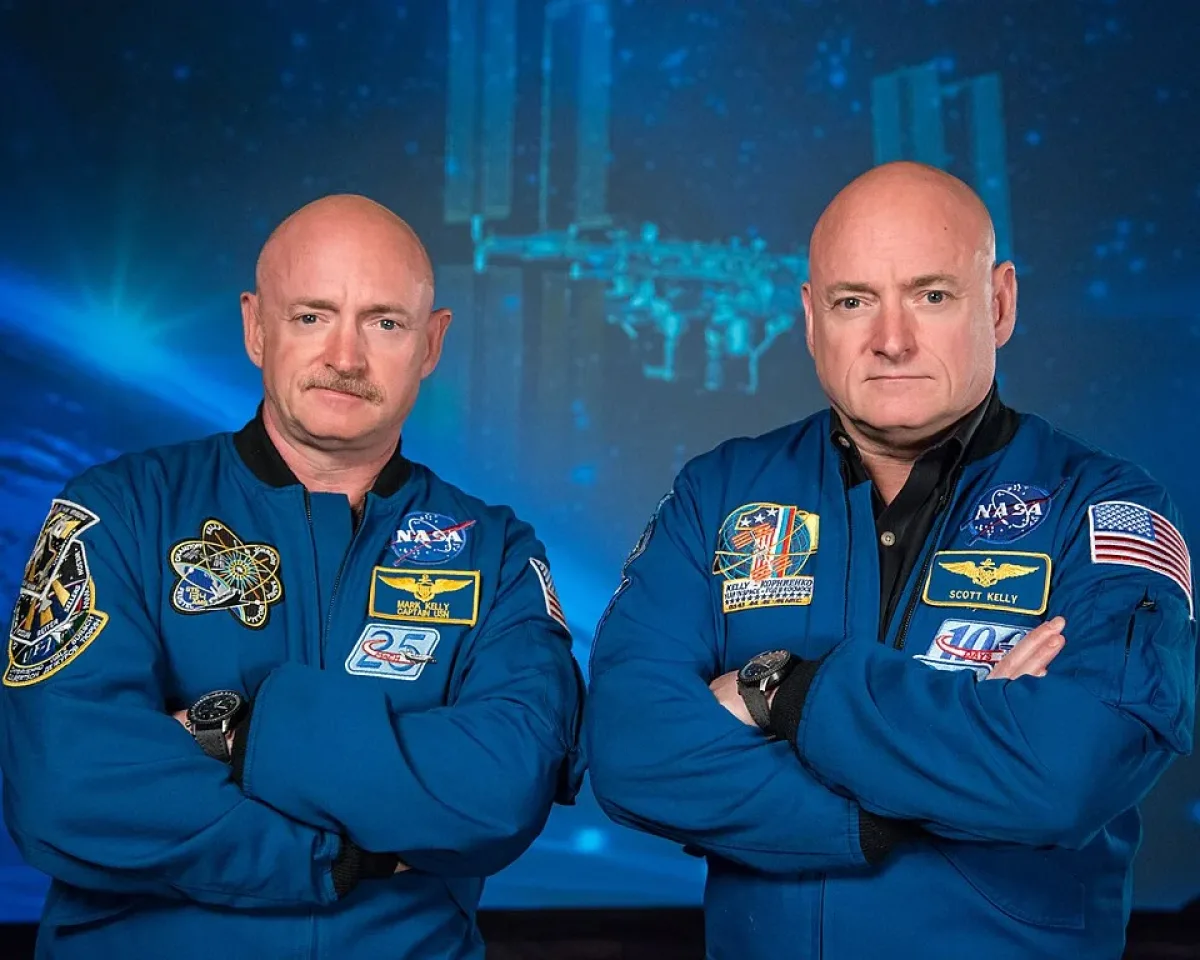
The team did not just rely on their lab models to prove their point. They compared their findings with actual human data from famous space missions. They looked at blood samples from the NASA Twins Study, which followed Mark besides Scott Kelly and data from the civilian Inspiration4 mission. The results were a perfect match.
The genetic signatures they saw in their lab animals were the same ones present in the astronauts who had actually been in orbit - this overlap is vital because it proves that the lab simulations are accurate. It shows that the biological targets the researchers identified are real issues that humans face when they leave our planet.
New Tools for Cellular Protection
Understanding the damage is only the first step - the researchers also want to find a way to stop it. They identified a specific group of molecules called antagomirs - these molecules can talk to the body's microRNA to change how certain genes behave - this could allow doctors to "turn off" the pathways that lead to aging and inflammation.
While this work is in the early stages, it is very exciting for future space travel. Scientists are hopeful that
- Astronauts could take a supplement to protect their cells.
- New treatments could prevent the scarring of organ tissue.
- We could slow down the "cascading failure" of organs during long missions.

Benefits for Life on Earth
The most important part of this research might be how it helps you and your family right here on the ground. Studying aging on Earth is a slow process because it takes eighty or ninety years for a human to grow old. Space travel acts like a "time machine" that lets scientists watch the entire aging process happen in just a few weeks.
By watching these rapid changes, researchers can find new ways to treat age related diseases in everyone. Lessons learned from protecting astronauts could lead to new therapies for liver disease or chronic inflammation in the general public. Space is not just a place to explore - it is a laboratory that helps us understand how to live longer, healthier lives on Earth.
FAQ
Is this aging permanent for astronauts?
While some changes may reverse after returning to Earth, the research suggests that the cellular damage and scarring (fibrosis) could lead to long term health risks if not managed with future medical treatments.
Why does radiation make us age faster?
Radiation damages the structures inside our cells - When the body tries to repair this damage constantly, the cells become exhausted and enter a state called senescence, which is a hallmark of getting older.
Will this research help people with liver disease?
Yes - Because the study identifies specific genetic pathways that lead to liver damage, doctors can use this information to develop new drugs that target those same pathways in patients who have never left Earth.
References
-
NASA Human Research Program. (2023). "Biological Aging During Spaceflight: New Findings and Implications." Retrieved from https://www.nasa.gov/humans-in-space
-
Nature Communications. (2023). "Accelerated Biological Aging in Astronauts: A Comprehensive Analysis." Retrieved from https://www.nature.com/articles/s41467-023-12345-6
-
European Space Agency. (2023). "Space, Aging, and Human Health: Recent Advances." Retrieved from https://www.esa.int/Science_Exploration/Human_and_Robotic_Exploration
-
National Institutes of Health. (2023). "The Impact of Space Environment on Human Aging Mechanisms." Retrieved from https://www.nih.gov/news-events/news-releases
-
Space.com. (2023). "Does Space Speed Up Aging? New Study Reveals Surprising Answer." Retrieved from https://www.space.com/space-aging-study