

Beyond Surface Ice: The Real Story Of Water In The Moon's Deep Interior
The Moon is not the bone dry desert that scientists described for decades? While the surface looks like a barren wasteland of grey dust, evidence suggests that a massive amount of water exists deep underground - this is not water you could swim in but rather a hidden chemical signature locked inside the very stones that make up the lunar body.
For a long time, researchers believed the Moon was completely anhydrous, which means it lacked any water at all - this changed in 2009 when missions found ice in dark craters at the poles. The most exciting news for planetary scientists is that the rocks themselves contain ingredients for water. You can find these traces in the deep interior of the Moon, far below where astronauts once walked.
The Shift From Dry Rocks to a Wet Interior
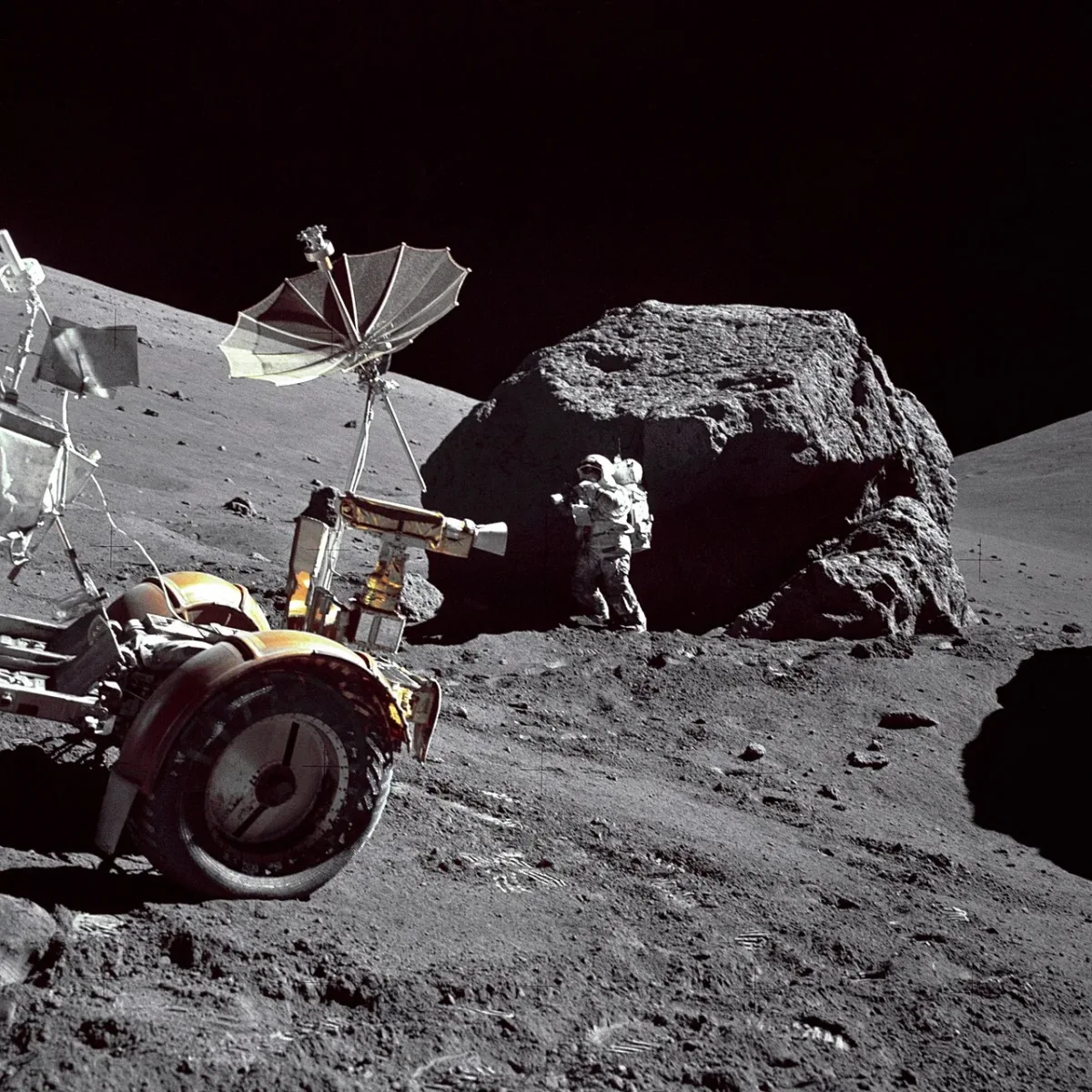
When the Apollo astronauts brought back bags of rocks in the 1960s and 1970s, the first tests showed nothing but dry minerals. It was a bit strange to think that our closest neighbor was so different from Earth. Because of this, the "dry Moon" theory became the standard view for almost forty years. Only recently have better tools allowed us to look closer at those same old samples.
Modern instruments are much more sensitive than the ones used in the past. They can detect tiny amounts of hydroxide, which is a molecule made of oxygen and hydrogen. When scientists looked at the Apollo samples again with these new tools, they found that water was there all along. It is simply hidden in the crystalline structure of the rocks.
How Rocks Hold Onto Water Molecules
You might wonder how a rock can hold water without feeling wet. The answer lies in a specific mineral called apatite - this mineral is the only significant part of lunar rocks that contains hydrogen. It exists in tiny grains that are only a few hundred microns across, which is about the width of a human hair.
Apatite acts like a tiny storage unit - Inside its crystal structure, it holds onto hydroxide - this chemical bond is very strong - the water does not just evaporate into space - those are a few key facts about this lunar water
- It is chemically bound as hydroxide (OH) rather than liquid H2O.
- It exists in the deep interior of the Moon, not just on the surface.
- The mineral apatite is the primary "vault" for this hidden moisture.
Tracing the History of the Earth Moon System
Understanding the water budget of the Moon is important because the Moon besides Earth are partners. About 4.5 billion years ago, a massive object the size of Mars crashed into the young Earth. The debris from this collision eventually clumped together to form the Moon. Because they share a common history, the Moon's water tells us about Earth's early days.
If the Moon has a wet interior, it means the impact did not burn off all the water as once thought - this gives us clues about how water moves through our solar system. You can see the Moon as a time capsule. It preserves a record of the materials that were present when the Earth Moon system first formed.
New Attempts to Map Lunar Resources
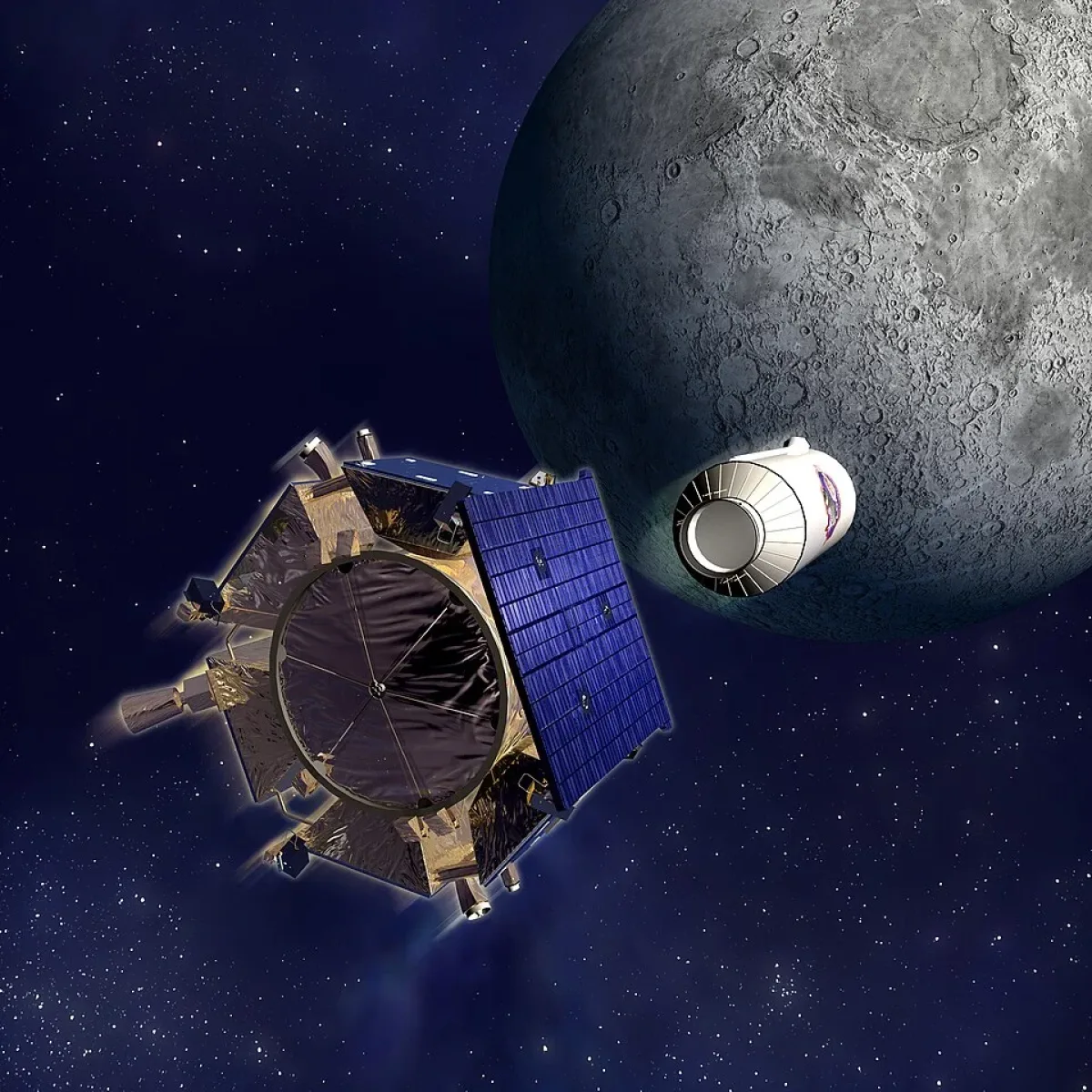
NASA and other agencies are eager to map the resources more accurately. The Lunar Trailblazer mission was supposed to start this work in 2025 but a technical configuration error after launch ended the mission early - this was a big disappointment for the teams who built instruments like the Lunar Thermal Mapper.
However, scientists are not giving up - There is a spare thermal mapper waiting in a laboratory at the University of Oxford. Researchers hope to put this spare instrument on a future mission called UCIS. The goal is to finally see exactly where the water is and how much of it exists - these are some things future missions hope to find
- The exact locations of water ice in permanently shaded regions.
- The depth of water bearing minerals under the lunar surface.
- The process of how water travels from the interior to the poles.
By studying this water, we learn how planets get the ingredients for life. The Moon is unusual because of its large size relative to Earth. Every discovery we make there helps us understand our own home better. Even though the first attempts at mapping failed, the drive to solve this lunar mystery is stronger than ever.
FAQ
Is there liquid water on the Moon?
No, you will not find lakes or rivers there - The water is either frozen as ice in dark craters or chemically trapped inside minerals like apatite in the deep interior.
How did the water get inside the Moon?
Many of it was likely there from the beginning when the Moon formed from a giant impact. Some water might also come from comets hitting the surface over billions of years.
Can astronauts drink this water?
It is possible but it would be very difficult - They would have to mine the rocks and use chemical processes to release the water from the minerals or melt the ice found at the poles.
Why did scientists think the Moon was dry for so long?
The early tools used to test Apollo rocks were not sensitive enough to see the tiny amounts of hydrogen inside the minerals. They also did not look at the permanently shadowed areas of the poles until much later.
References
- NASA Science - Moon Water and Ices: https://science.nasa.gov/moon/moon-water-and-ices
- Nature - Water abundance in the lunar farside mantle (2025): https://www.nature.com/articles/s41586-025-08870-x
- Wikipedia - Lunar Water: https://en.wikipedia.org/wiki/Lunar_water
- ScienceDirect - Water in the Moon's interior: Truth and consequences: https://www.sciencedirect.com/science/article/pii/S0012821X14006803
- Caltech - Evidence of Water in Moon Minerals: https://www.caltech.edu/about/news/caltech-team-finds-evidence-water-moon-minerals-1634
- PMC - Exploring the lunar water cycle: https://pmc.ncbi.nlm.nih.gov/articles/PMC11670188
- PNAS - Exploring the lunar water cycle (2024): https://www.pnas.org/doi/10.1073/pnas.2321065121