
Artemis II Flyby Results: Lessons From the Crewed Moon Mission;
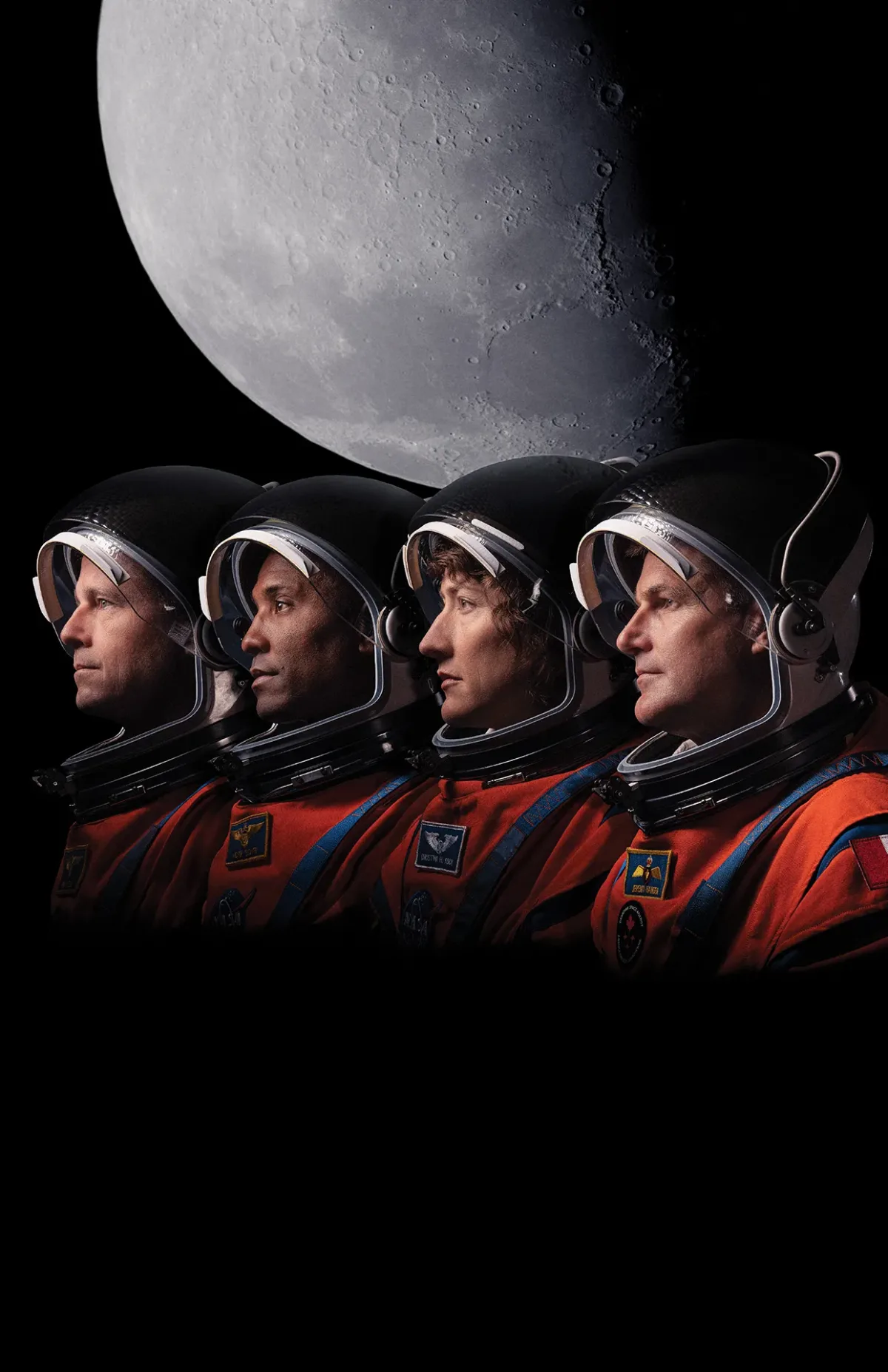
Did you know that humans just traveled further into the deep black of space than at any other point in history? The Artemis II mission took four astronauts on a journey that stretched past the records of the Apollo era - this flight is not just a trip around a gray rock but a vital test to see if our technology can actually keep people alive for long journeys to other worlds.
You might wonder why we still send people when robots have high resolution cameras - this mission proves that human presence changes everything about how we gather data. NASA now has a clearer picture of what it takes to operate a ship with a living crew far from home - these results give us the green light to plan for even more ambitious landings on the lunar surface.
Success of the Orion Spacecraft
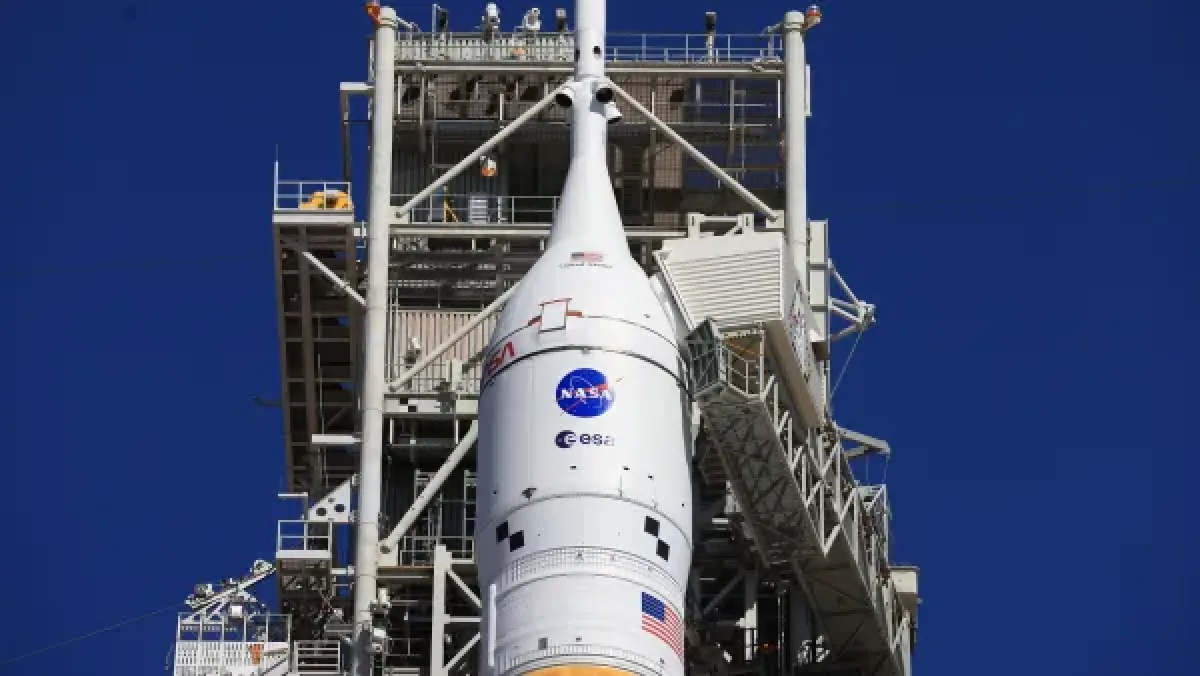
The Orion spacecraft is the vehicle that carries the crew through the harsh environment of space. During this mission, the ship proved it is sturdy enough to protect humans from radiation and the extreme cold of the vacuum. Engineers watched the systems closely and found that the life support tools kept the air and temperature stable for the entire trip.
One of the most dangerous parts of the mission is the return to Earth. Orion hit the atmosphere at incredible speeds, creating heat that would melt most metals. The heat shield worked exactly as the designers hoped it would. It kept the inside of the capsule cool while the outside glowed with fire during the fall back to the ocean.
What the Human Eye Saw on the Far Side
The crew had a job that cameras cannot do perfectly - using human eyes to judge depth and color. They looked at the lunar far side, which is the part of the Moon that always faces away from Earth - this perspective is rare because only a handful of individuals have ever seen it in person. The astronauts captured photos and notes on about 30 specific areas of interest.
Human vision is better at picking up subtle shifts in texture and the true shades of the soil - these observations are important because
- They help scientists understand the geological history of the lunar crust.
- They allow planners to find safe spots for future base camps.
- They provide a better scale for the size of craters and mountains.
Deep Space Communication & Distance Records
Distance is one of the biggest hurdles in space travel - Artemis II traveled 252 756 miles away from our planet - this distance is greater than the path Apollo 13 took, which makes it a new record for any ship built for humans. Staying in touch with mission control at this range is a massive technical challenge.
As the ship moved behind the Moon, the crew experienced a total silence that lasted about 40 minutes - this loss of signal is a natural result of the Moon blocking radio waves. You can imagine the relief when the signal returned right on schedule - this test shows that our ground stations are ready to guide crews even when they are hundreds of thousands of miles away.
Identifying Technical Issues for Future Missions
No test flight is perfect and finding flaws is actually a sign of a successful mission. NASA discovered an issue with a valve system in the service module - this part of the ship is responsible for power and propulsion. Because the team found this now, they can fix it before the next crew leaves the launchpad.
Fixing these bugs is a normal part of the process for new spaceships. Engineers are currently deciding if they need to
- Repair the specific valves that showed wear.
- Perform a full redesign of the plumbing system.
- Update the software that monitors these parts in real time.
By addressing the problems today, you ensure that the next mission to the lunar surface is as safe as possible. Every bit of data from Artemis II is a stepping stone toward a permanent human presence on the Moon.
FAQ
How far did the Artemis II crew travel?
The mission reached a peak distance of 252 756 miles from Earth - this is the furthest any human rated spacecraft has ever traveled from our home planet.
Why did the crew lose contact with Earth?
The signal cut out for around 40 minutes because the Moon moved between the spacecraft besides Earth - this "loss of signal" is a standard part of any mission that flies around the back of the Moon.
What did the astronauts study on the Moon?
The crew observed about 30 different targets on the lunar surface. They focused on the far side to see details in color and texture that help scientists plan where to land future missions.
Was the mission a success despite the valve issue?
Yes, the mission is a major success - Identifying technical problems like the service module valve is the main purpose of test flights so that engineers can make the ship safer for future landings.
References
- NASA Artemis II Mission Overview
- Artemis II Mission Milestones - NASA Johnson
- The Planetary Society - Artemis II Mission Report
- Artemis II Crew Introduction - NASA
- Artemis II Wikipedia - Comprehensive Mission Information
- NASA Artemis Program Overview
- Artemis II Scientific Research Overview
- Artemis II Trajectory Visualization - NASA SVS
- Britannica - Artemis II Mission Profile
- Nature - Artemis II Live Coverage