
Establishing the US Space Academy: Shaping Tomorrow's Officers
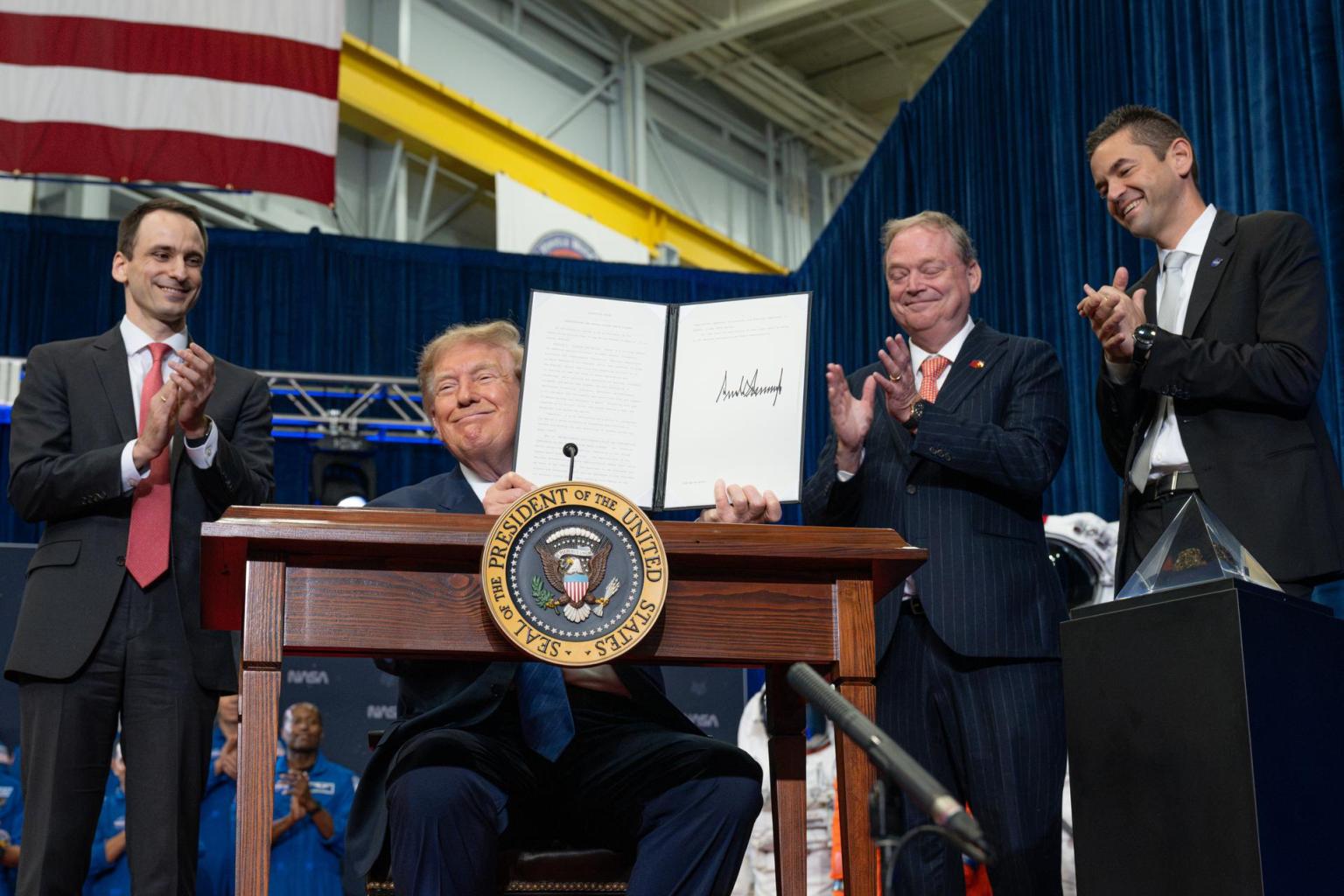
The United States has begun the formal process of creating a new U.S. Space Academy, but the academy does not yet exist as an operating school. On August 28, 2026, President Donald Trump signed Executive Order 14423 creating a Presidential Commission to design the proposed academy. NASA Administrator Jared Isaacman is chairing the commission, which must recommend its structure, curriculum, location, admissions requirements, service obligations and implementation plan within 120 days. NASA has already begun gathering proposals from states interested in hosting the institution, with an ambitious preliminary timeline calling for groundbreaking by 2027, temporary accommodation for the first 300 students in 2028 and a permanent campus by 2031.
Summary
- Project: United States Space Academy
- Status: Proposed; planning and design phase
- Executive order: August 28, 2026
- Commission chair: NASA Administrator Jared Isaacman
- Report deadline: December 26, 2026
- Main purpose: Develop future leaders for America's space workforce
- Potential students: Future engineers, scientists, astronauts, operators, civil servants and military personnel
- Location: Not yet selected
- Expected first students: 2028 under NASA's current planning timeline
- Permanent campus target: 2031, subject to approvals and funding

Why the United States Is Creating a Space Academy
The proposed academy comes as the American space sector becomes increasingly connected to national security, scientific research, commercial launches, satellite systems, engineering, artificial intelligence and human exploration.
The executive order says the planned institution would combine technical education with leadership development, discipline and public service. It is intended to prepare people for a wide range of careers instead of focusing only on traditional military officer training. The order specifically mentions astronauts, scientists, engineers, operators, entrepreneurs, civil servants and warfighters.
That makes the planned academy different from simply creating a new college for Space Force officers. The final design could cover both civilian and military needs across the wider space sector.
How the Space Academy Will Be Established
The first stage is a Presidential Commission led by NASA. The commission includes senior officials from NASA, the Air Force and other parts of the federal government. Its job is to recommend how the academy should operate before the institution is formally implemented.
The commission must study several major questions:
| Area | What Must Be Decided |
|---|---|
| Governance | Which federal structure will operate the academy |
| Curriculum | Degrees, technical courses and leadership training |
| Admissions | Qualifications, citizenship and other requirements |
| Service | Possible military or civilian federal service obligations |
| Location | Where the permanent campus should be built |
| Funding | Administrative, legislative and financial requirements |
| Partnerships | Links with government, universities and industry |
| Timeline | How the academy will move from planning to operation |
The executive order also requires the commission to consider whether the academy should be placed within NASA. Any final implementation would need to follow applicable law and available funding, and some elements may require congressional action.
NASA Begins the Search for a Location
The project moved beyond the announcement stage in September 2026. NASA said the commission held its first meeting on September 9 and began working through governance, curriculum, service commitments, partnerships and implementation.
NASA then issued a Request for Information asking governors or their designated representatives to propose locations that could host and support the institution. Responses are due October 26, 2026.
NASA's current planning document calls for groundbreaking no later than 2027, temporary facilities for the first 300 students in 2028 and a permanent location operating by 2031. These are planning targets rather than guarantees, because the commission's recommendations, legal requirements and funding decisions are still pending.
What About Space Force Officers?
The United States already trains future Space Force officers through existing programs, especially the U.S. Air Force Academy and Air Force ROTC.
The Air Force Academy currently has two space majors, a space warfighting minor and dozens of space-related courses. Cadets can also participate in satellite design and operations through programs such as FalconSAT. In 2026, 93 Air Force Academy graduates were commissioned into the Space Force.
The Congressional Research Service noted that the Space Force currently develops much of its officer pipeline through the Air Force Academy and ROTC. The service had about 15,400 uniformed and civilian personnel in fiscal year 2025, including approximately 4,700 active-duty officers.
This means the proposed Space Academy would enter an education system that already has space-focused training. One of the important questions before Congress and federal officials is therefore what a separate academy could provide that existing institutions do not already offer. The Congressional Research Service identified curriculum, costs, leadership structure and the role of existing federal programs as issues that may require examination.
What Could Students Study?
The final curriculum has not been decided. However, the executive order specifically calls for recommendations covering academic degrees, experiential training and leadership development.
A future academy could therefore combine technical subjects with practical experience in areas such as space systems, engineering, satellite operations, computer science, cybersecurity, science and leadership. Exactly which programs would be offered remains a matter for the commission and any later legislative or administrative decisions.
Current Timeline for the U.S. Space Academy
| Date | Development |
|---|---|
| August 28, 2026 | Executive Order 14423 signed |
| September 9, 2026 | First Presidential Commission meeting |
| September 2026 | NASA begins seeking potential host states |
| October 26, 2026 | Deadline for state RFI responses |
| December 26, 2026 | Commission's 120-day report due |
| 2027 | Proposed groundbreaking target |
| 2028 | Proposed temporary start for first 300 students |
| 2031 | Proposed permanent campus target |
What Happens Next?
The next major milestone is the commission's report, due by December 26, 2026. That report should provide a much clearer picture of the academy's governance, academic programs, admissions, service obligations, location and funding requirements.
The Congressional Research Service has also highlighted broader questions about America's space workforce, including how federal agencies, universities and commercial companies should contribute to developing the talent needed for the growing space economy.
For now, the most accurate description is that the U.S. Space Academy is being designed, not yet operating. Its eventual role could extend well beyond producing military officers. The stated plan is to create a federal institution capable of educating people who will work across America's military, scientific, civil and commercial space activities.
Frequently Asked Questions
Is the U.S. Space Academy already open?
No. As of September 26, 2026, it remains in the planning and design stage.
When was the U.S. Space Academy announced?
President Trump signed the executive order establishing the Presidential Commission on August 28, 2026.
Who is leading the Space Academy project?
NASA Administrator Jared Isaacman is chairing the Presidential Commission responsible for developing recommendations for the academy.
Will it be a military academy?
That has not been finalized. The proposal covers military and civilian space careers, and the commission is specifically examining service obligations for graduates.
Where will the academy be located?
No permanent location has been selected yet. NASA is currently seeking proposals from states.
Can the Space Force operate without a separate academy?
Yes. Space Force officers are already commissioned through existing pathways, including the U.S. Air Force Academy and ROTC.
When could the first students arrive?
NASA's current planning timeline targets temporary accommodation for the first 300 students in 2028, although that timeline can change.
What is the report deadline?
The commission has 120 days from the August 28 executive order, making December 26, 2026 the stated deadline.
References
White House: Establishing the United States Space Academy Executive Order
NASA: President Trump Signs Executive Order to Create US Space Academy
NASA: NASA Answers President’s Call to Establish United States Space Academy
Congressional Research Service: U.S. Space Academy Proposal: Considerations for Congress